
Marbella Club, a Legend is born, Andalusia
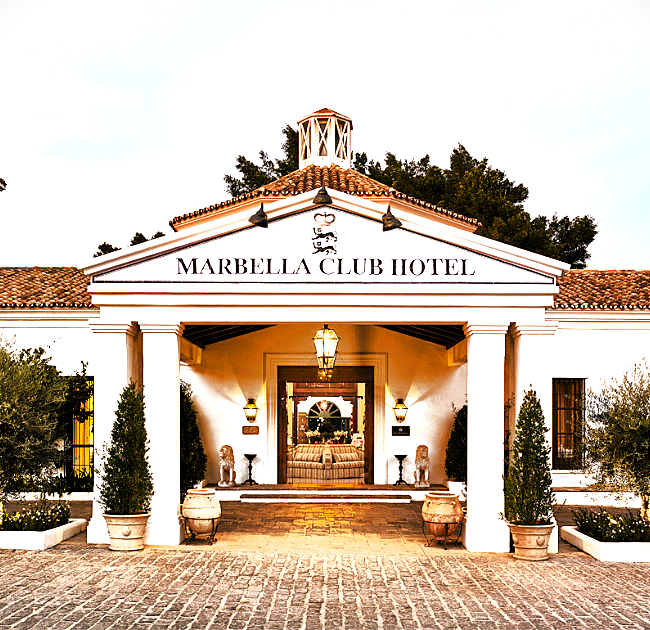
The extraordinary vision of Prince Alfonso von Hohenlohe
By the end of the Second World War, Marbella was nothing more than a small village, hidden among jasmine bushes, with a population of barely nine hundred souls. Only a miracle could save it—and that miracle arrived in the form of a prince, just as in a fairy tale.
It was in 1946 that the young Alfonso von Hohenlohe, raised in Madrid and belonging to one of Germany’s oldest aristocratic families, whose lineage traced back to the Holy Roman Empire, arrived here with his father, Prince Max.
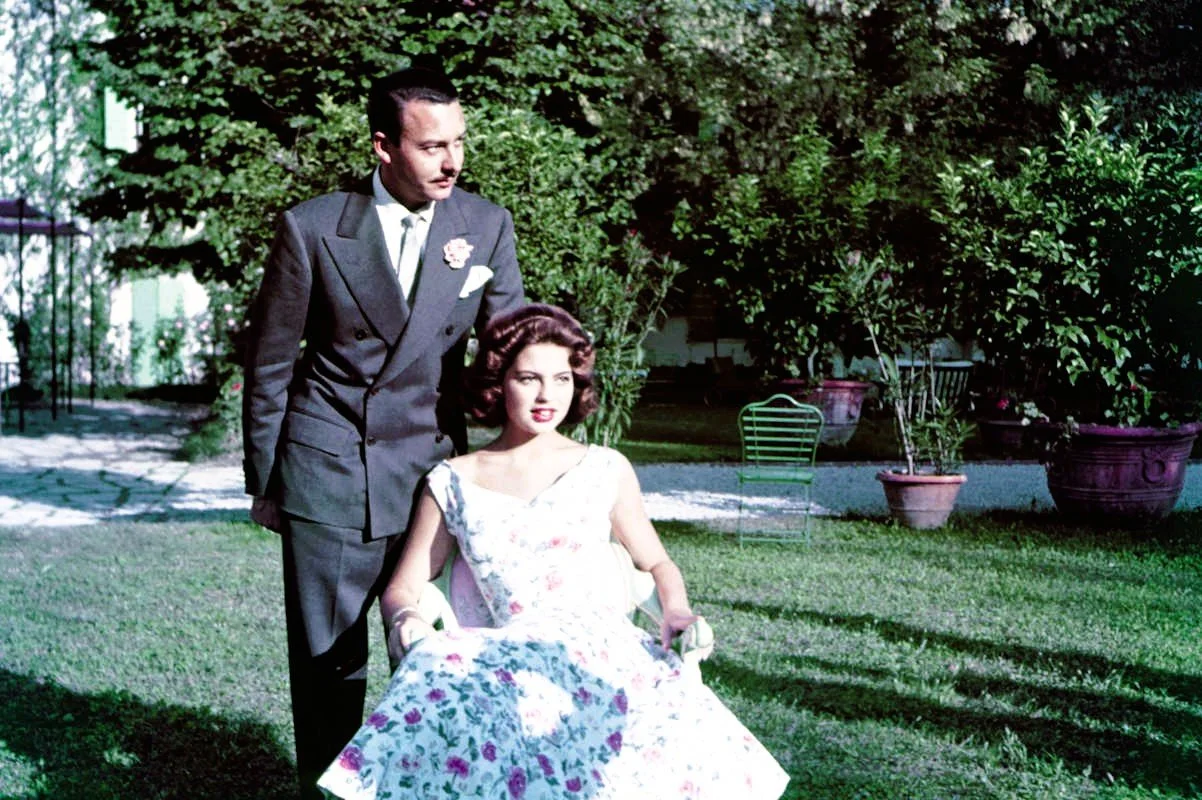
Prince Alfonso von Hohenlohe and his wife, Princess Ira von Fürstenberg, during the Marbella Club's golden era.
A small pine forest at the edge of an olive grove, only three kilometres from the fortified little town of Marbella, with an untouched beach and the blue waters of the Mediterranean stretching out before it, captivated him so completely that he began negotiations to purchase the Santa Margarita estate—the very place where he had arrived with his father for a picnic.
Today, this beautiful finca is home to the Marbella Club.
After building his own house among the pine trees, he transformed the abandoned farmhouse on the estate into a small hotel. Twenty simple yet charming rooms were created to accommodate his friends, who, persuaded by his enthusiastic descriptions, became convinced that he had discovered “Paradise on Earth”.
And not only his friends.
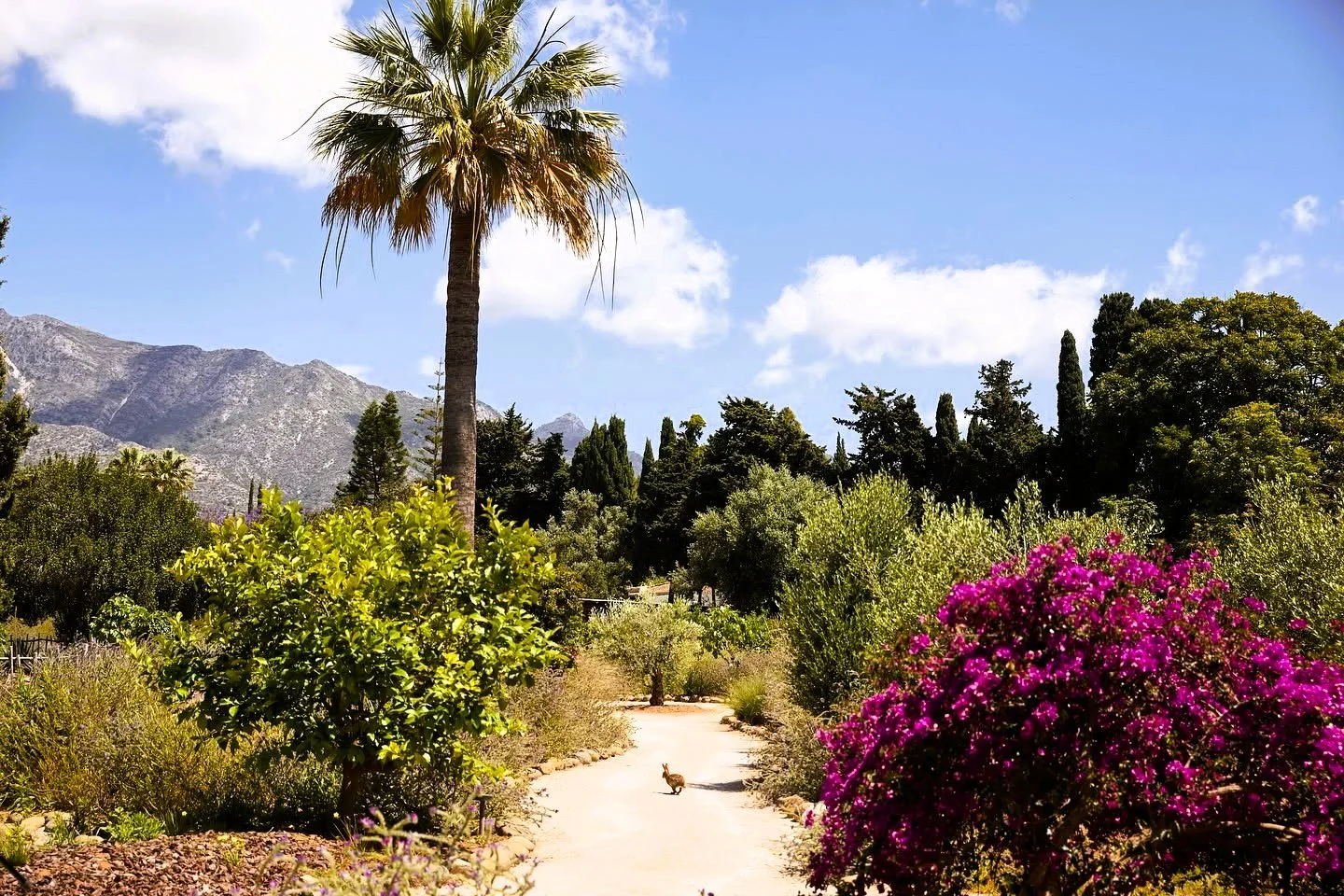
A verdant Andalusian oasis between La Concha – the iconic peak overlooking Marbella – and the Mediterranean.
The Club also welcomed travellers desperately searching for somewhere to stay — in the 1950s, not only those touring Andalusia, but also those making their way from Morocco back towards France, or from Portugal towards Granada.
Enchanted to find such a spotless hotel surrounded by beautiful gardens, some returned the following year and stayed for two or three weeks. Naturally, they would tell their friends about their wonderful discovery, and so the news travelled from one person to another, gradually making the Marbella Club known far beyond Spain.
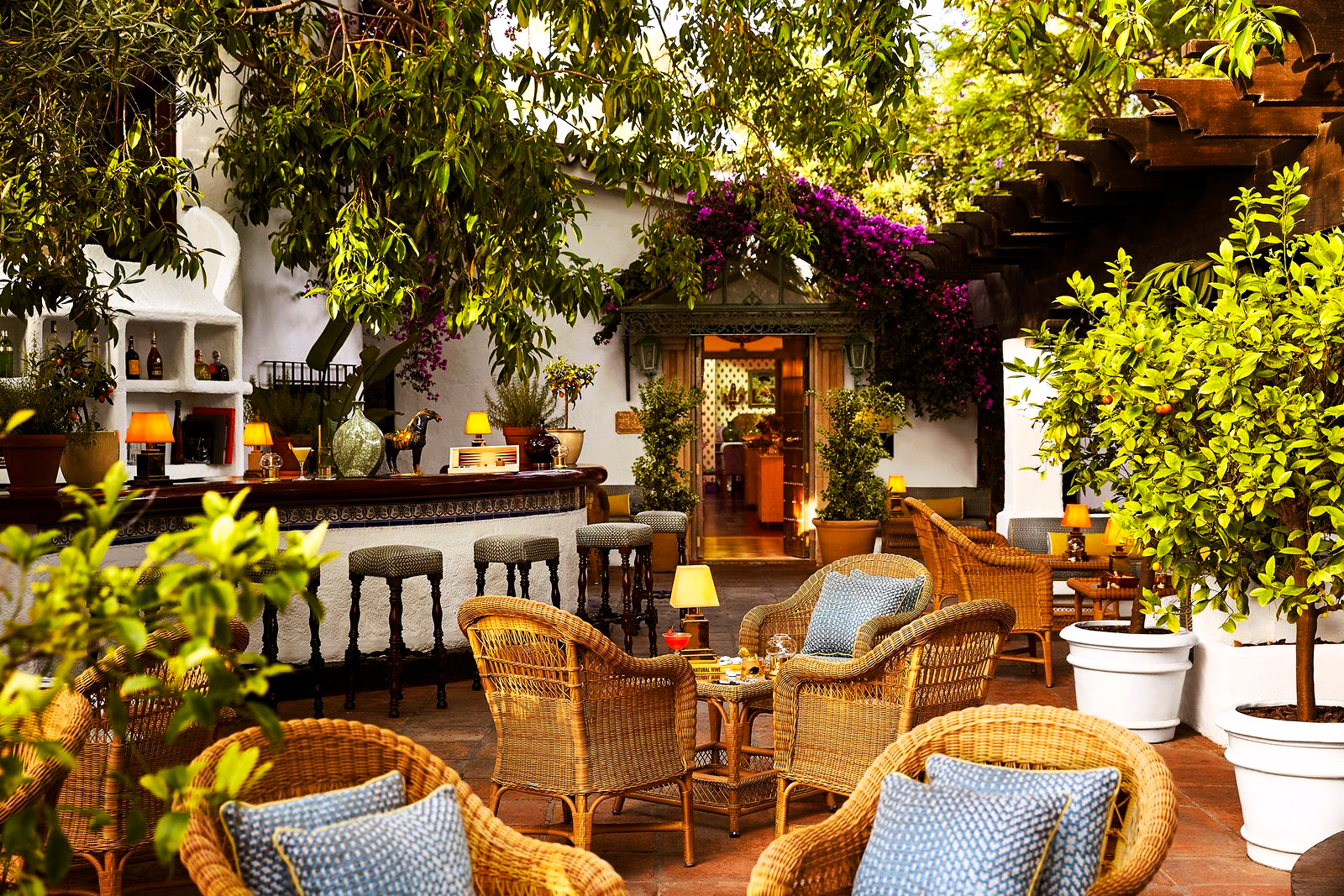
Where conversation was as cherished as comfort.
Yet what truly helped transform it into a fashionable destination was the telephone.
At that time, along the entire coast, from Algeciras near Gibraltar to Málaga, there were only two telephone lines, and the telecommunications system was extremely primitive. To be connected, for example, with neighbouring Málaga could take an hour or even two. Reaching Madrid or another European capital might require four to six hours.
Since the hotel possessed one of the very few available telephones in Marbella, local residents would come to the Club to make their calls. While waiting for their connections, they enjoyed the hotel’s comforts—swimming, dining, or even playing bridge — which created a wonderfully convivial atmosphere… as well as additional revenue.
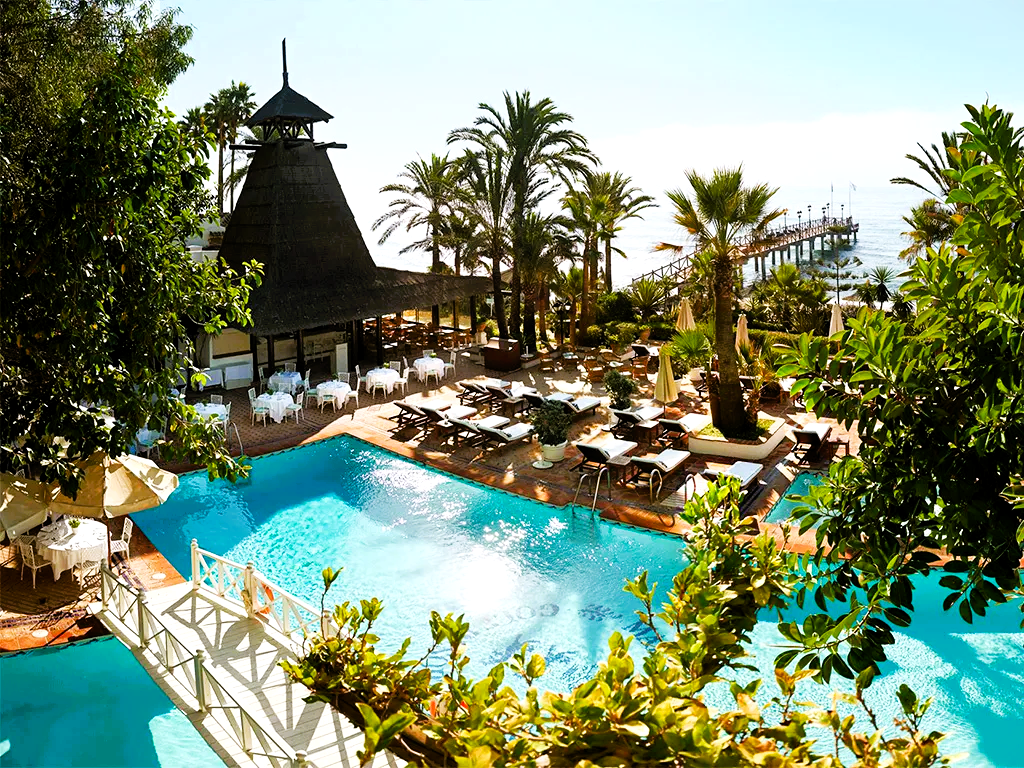
Impeccable hospitality meets Mediterranean beauty.
The true turning point in the transformation of the Club, however, from a charming country inn into one of the world’s most iconic hotels came in 1957, when Prince Alfonso persuaded his cousin Rudolf Graf von Schönburg—known in Marbella as “Count Rudi” — to join him.
A graduate of the renowned Lausanne Hotel School, he introduced a level of refined service while ensuring that the Club never lost its enchanting simplicity.
Even today, although much has changed in its management, that refined simplicity still prevails. Wherever I looked, everything seemed fresh and inviting: an Andalusian atmosphere of exotic plants, smiling waiters, generous cushions and delicious menus. Each day brought a new discovery. And because the summer season had not yet begun, they were happy to show us the small villas with their patios, each possessing a beauty and charm that appealed equally to dear friend Anne and me.
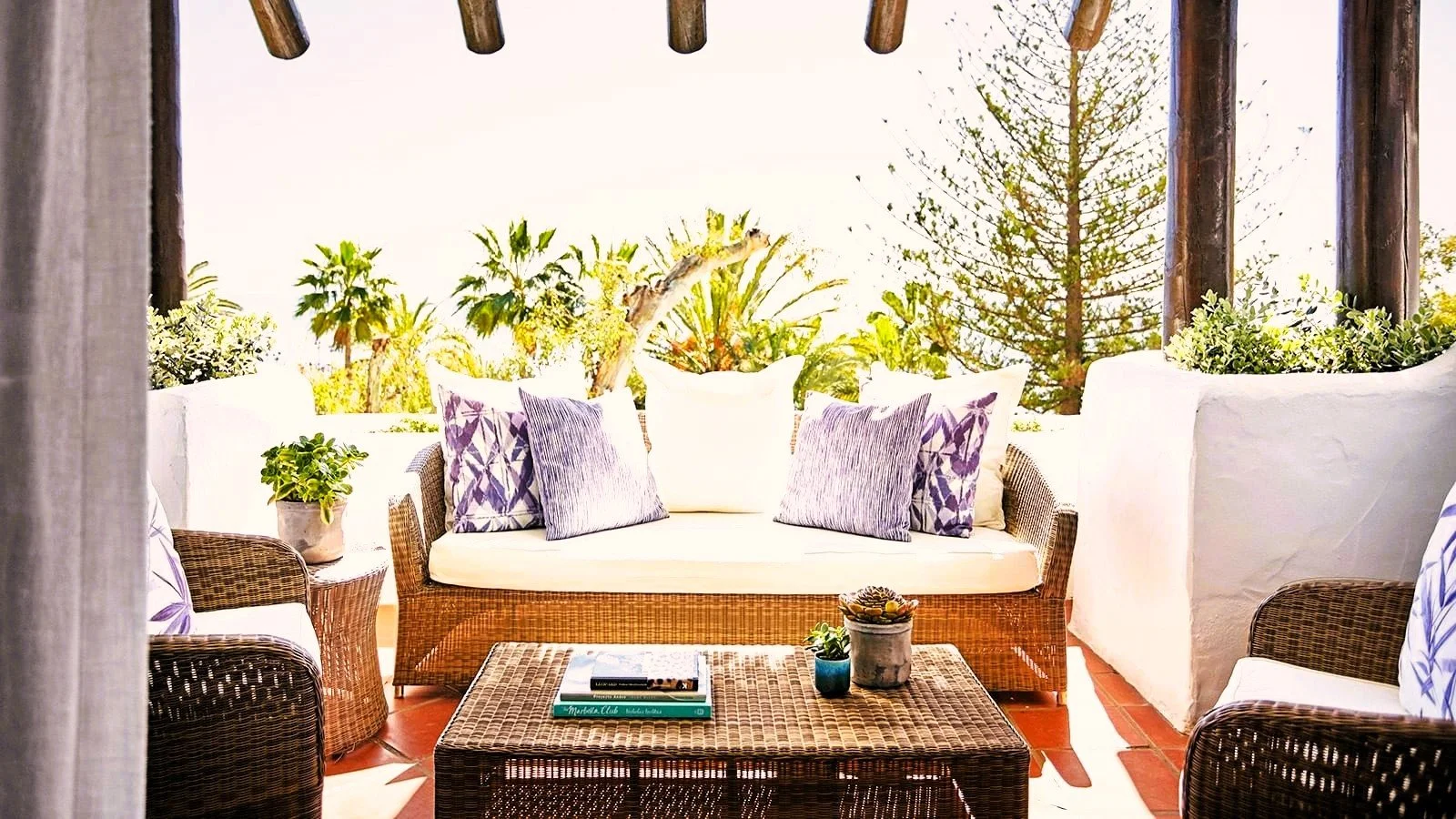
An invitation to linger in quiet elegance.
Perhaps that was the secret of “Count Rudi”, whose spirit has endured to this day. Anne, who had known him many years earlier, confirmed it.
“A little oasis where elegant style and simplicity exist in perfect harmony.”
“The joy of life of Alfonso von Hohenlohe,” I said one afternoon as we sat at the Beach Club.
Indeed, he spoke of his beautiful hotel to everyone with boundless enthusiasm. Distinguished members of the European aristocracy, with whom he was connected, came to spend their summers in sun-drenched Marbella, followed by Hollywood stars, bankers and industrialists. The reputation of the hotel spread, and with it the fame of the entire area.
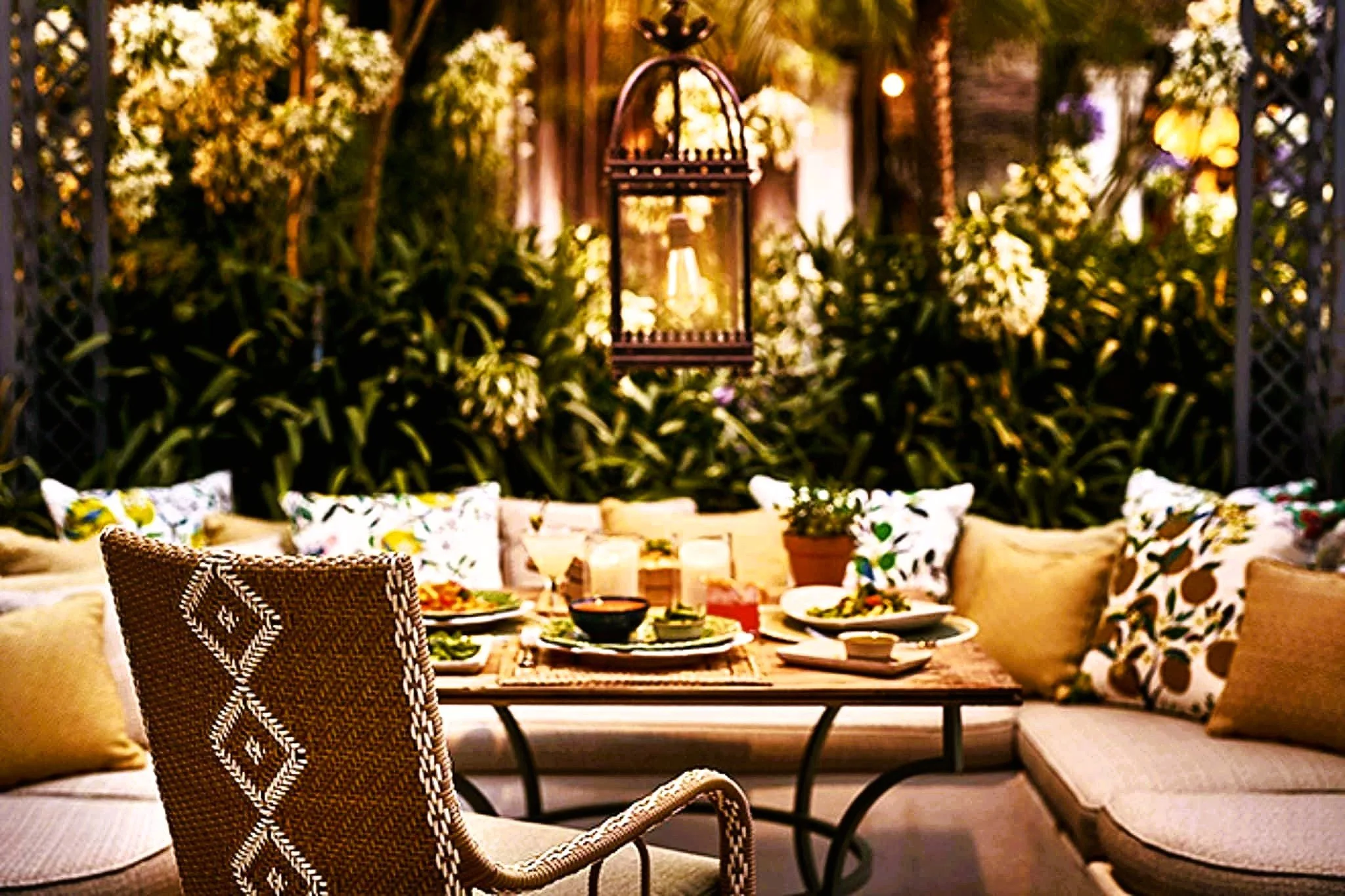
A haven of comfort and natural beauty.
The locals could hardly believe their eyes as they saw so many celebrated figures walking through the streets of their little town. For as the prestige of the hotel grew, so too did the prestige of Marbella itself. Encouraged by Prince Alfonso, many began investing in luxury villas, marinas, golf courses and polo grounds, all with the aim of preserving the character of a garden city infused with cosmopolitan elegance..
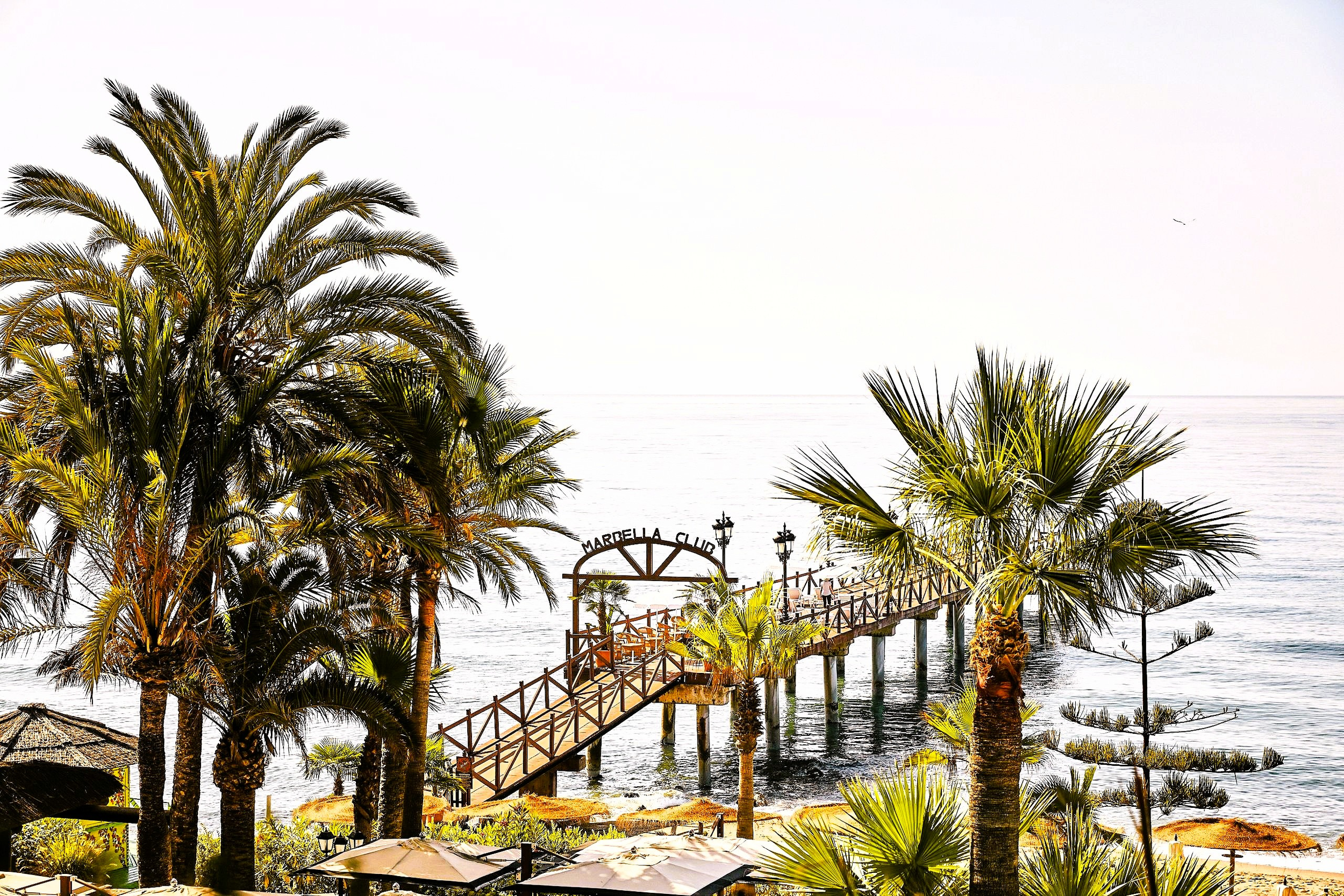
A final glimpse of Mediterranean serenity.
I am inspired by a way of life rooted in elegance, intention and meaningful experiences rather than excess.
A world of travel, culture and stories awaits. My Books in English Books in Italian Books in Greek
The book ANDALUSIA, A Jewel of the Light is published in Greek. It will soon be published in English.
Related Articles
Granada, Andalusia: Moorish Splendour and Sierra Views
Moorish palaces, fragrant gardens and the majestic Sierra Nevada combine to create one of Andalusia's most captivating and beautiful destinations.
Read the Story
Ronda's Feria Goyesca, Andalusia: When Tradition Becomes Living Art
Historic costumes, spirited horsemanship and centuries-old traditions transform Ronda into one of Andalusia's most captivating cultural celebrations.
Read the Story