
The Old Duchy of Burgundy
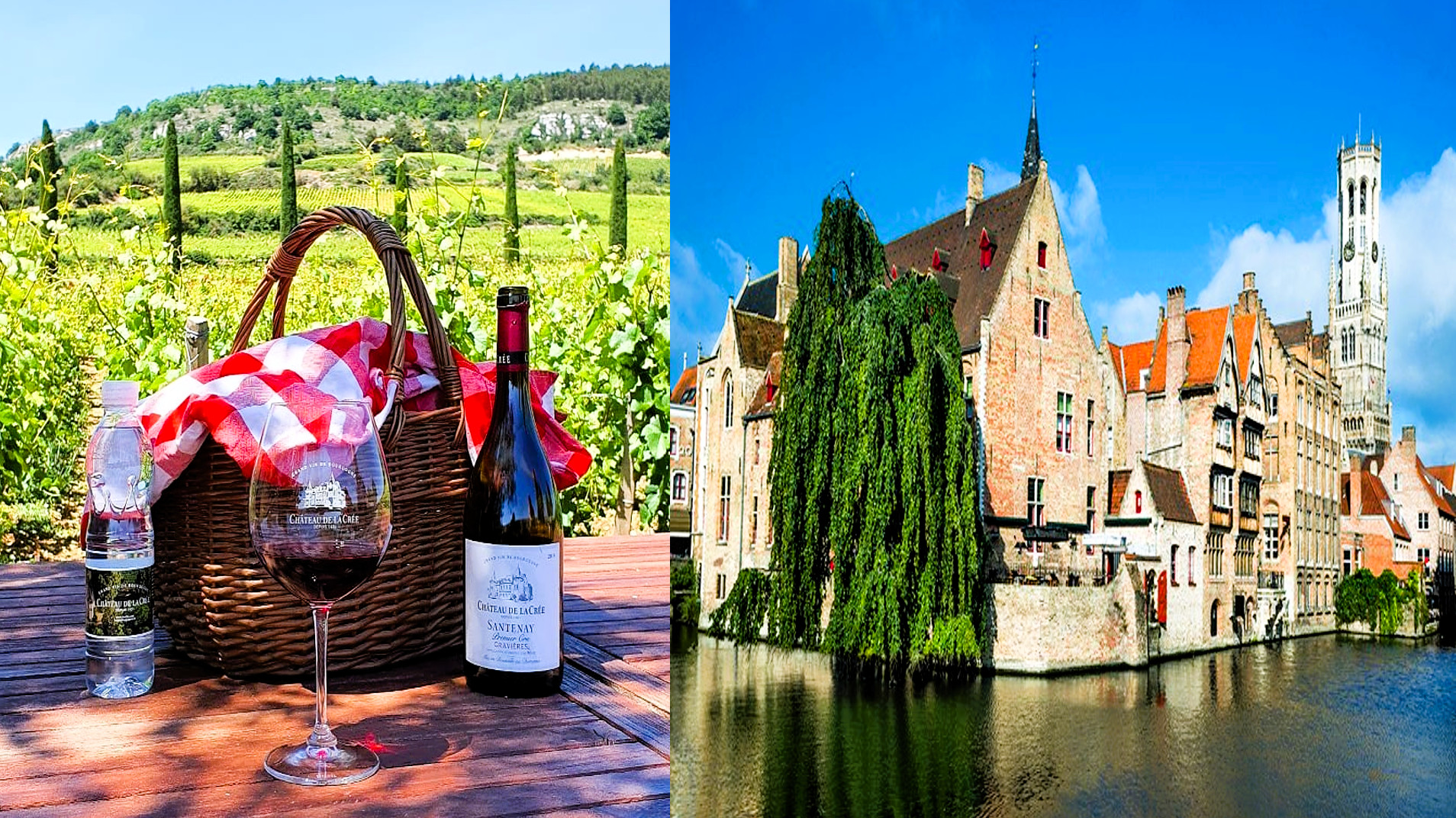
Wine, History & Landscapes
I first discovered Burgundy by following serpentine roads that wind through gentle slopes lined with vineyards, where the landscape seems to hold memory and cultivation in equal measure. The rhythm of the vines, carefully ordered yet deeply rooted in the natural contours of the land, speaks of centuries of patient work. It was here that I began to understand how profoundly the monks of the Middle Ages shaped this region, becoming among the earliest guardians of its winemaking tradition.
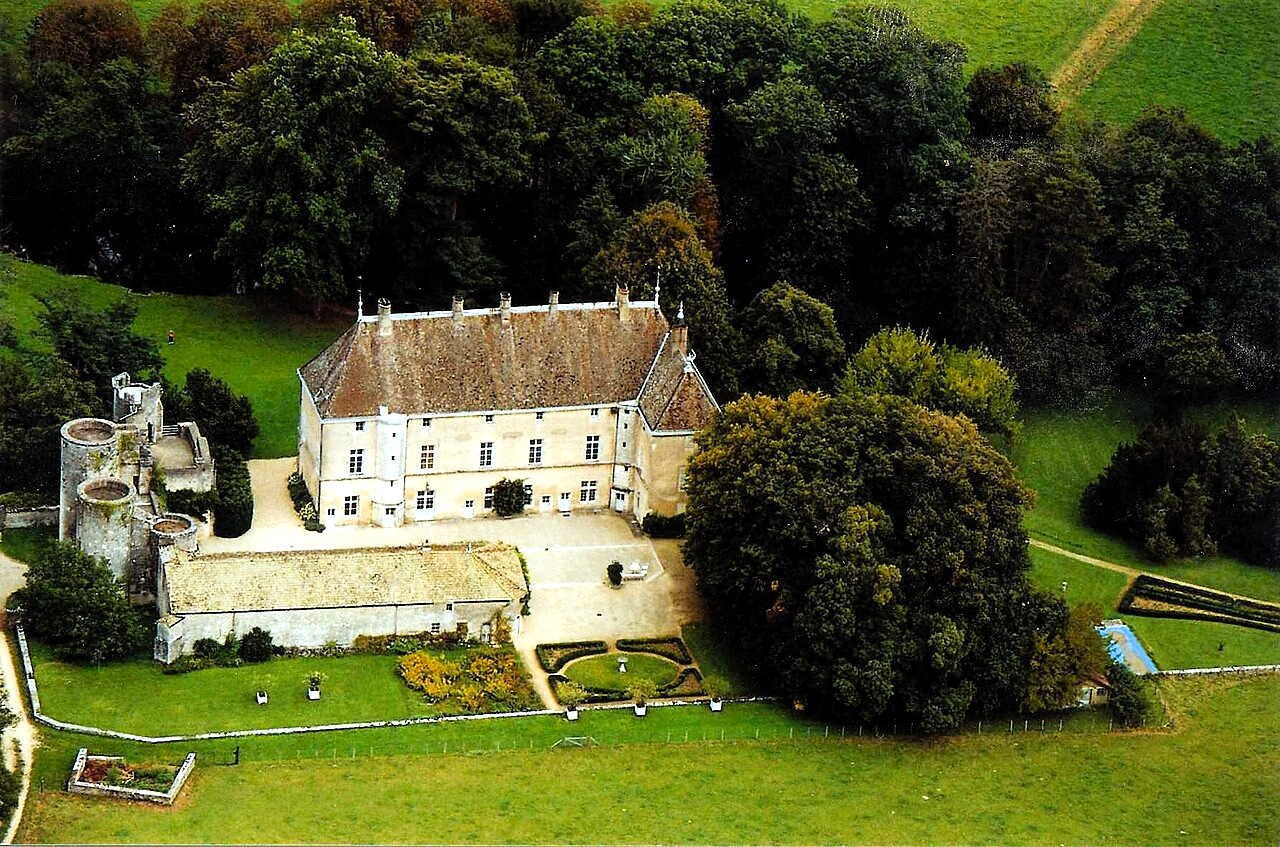
Château de Germolles, Burgundy.
As I moved deeper into Burgundy, I found myself drawn into the wider history of the Old Duchy itself. Under the Valois Dukes of Burgundy, the region became one of the most powerful and culturally radiant courts of late medieval Europe. Art, music and manuscript illumination flourished under their patronage, and the court attracted some of the finest artists of its time. Among them, the presence of Margaret of Flanders, Duchess of Burgundy, brought not only political alliance but also immense cultural refinement, linking the wealth of Flanders with the elegance of Burgundian rule.
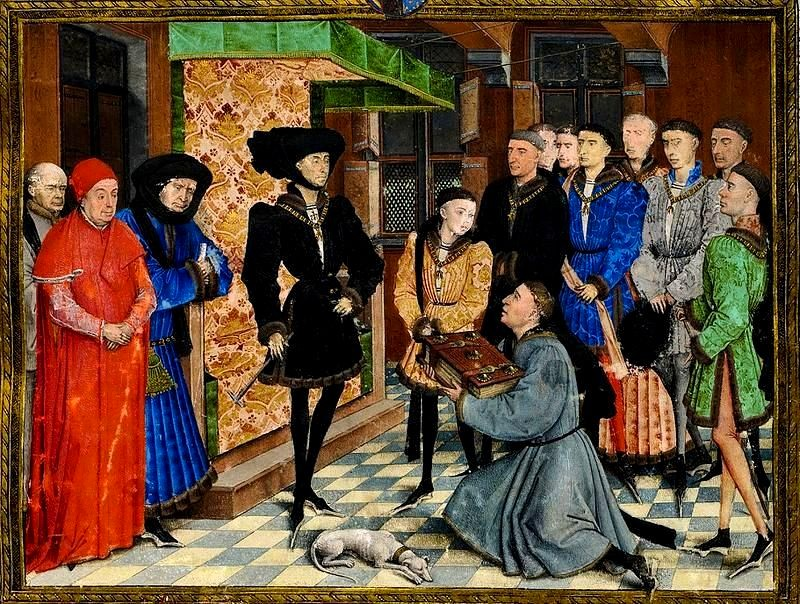
The splendid Court of the Dukes of Burgundy.
Before reaching the rural estates and vineyards, I spent time in Dijon, the historic capital of the Dukes of Burgundy. There, the traces of ducal power still linger in the rhythm of its streets and in the quiet dignity of its architecture. It is a city where political history and refined taste once converged, shaping the identity of an entire region.
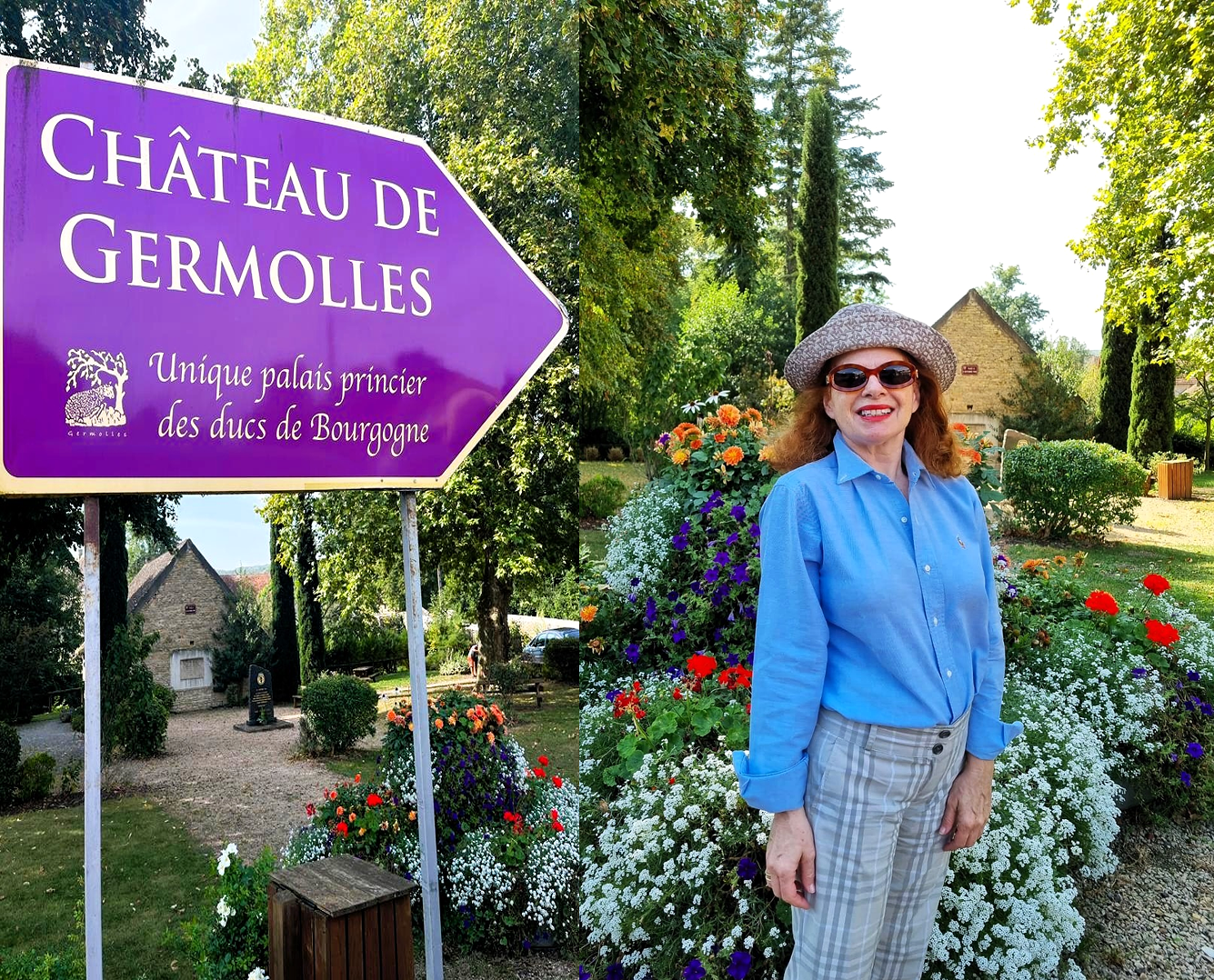
The author at Château de Germolles, Burgundy – among blooming garden landscapes
It was at the Château de Germolles that this layered history felt most present to me. The château, once transformed into a ducal residence for Margaret of Flanders, remains the only preserved example of a Valois Burgundian palace in the region. Surrounded by tranquil gardens and soft light, it carries an atmosphere of quiet dignity, as though the centuries have softened rather than erased its grandeur. Standing there, I felt less like a visitor and more like a witness to a world where power, art and landscape once existed in careful harmony.
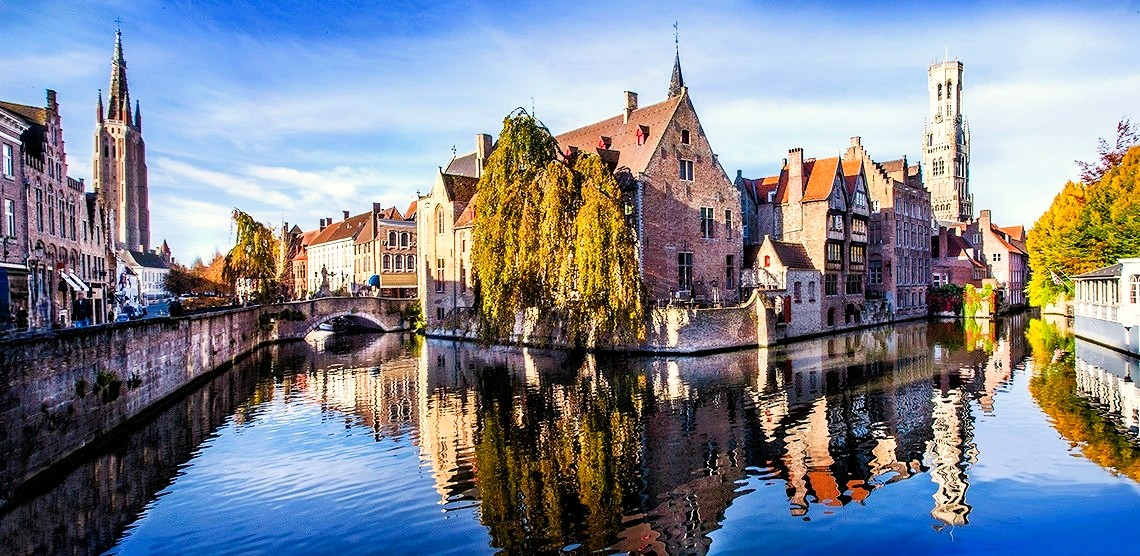
Bruges is a living architectural masterpiece.
From Burgundy, my journey continued northwards towards Flanders and the North Sea, eventually leading me to Bruges. The transition felt almost seamless, as though the same historical thread had stretched across landscapes and time. In Bruges, the canals reflect a city that once stood at the heart of the Burgundian Netherlands, where trade, textiles and painting created one of the richest urban cultures of medieval Europe. The echo of the duchy still lingers in its cobbled streets and in the quiet symmetry of its waterways.
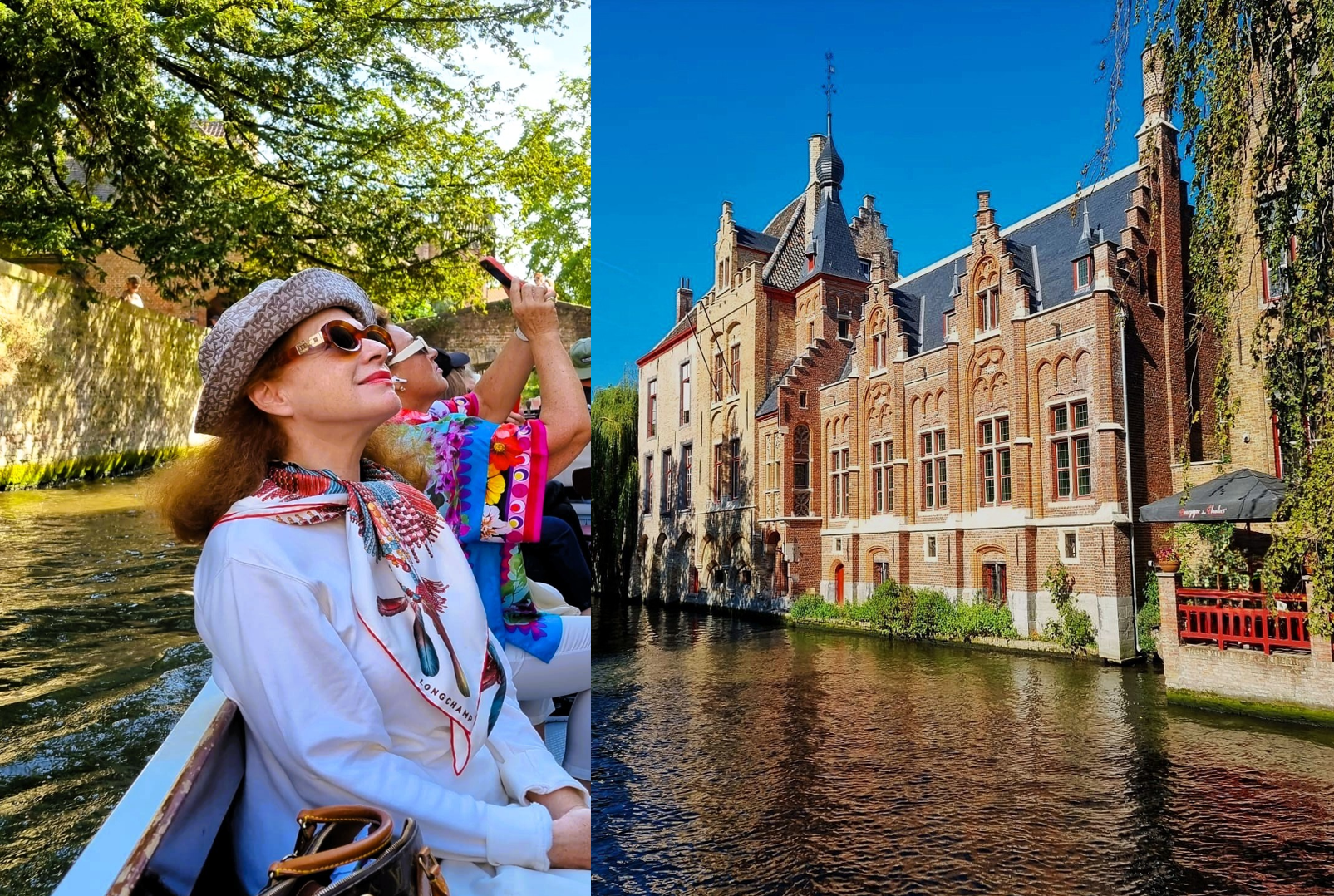
The author and a friend drifting through Bruges' canals, surrounded by fairytale houses and beautifully preserved Flemish architecture.
Across the lands of the old Duchy of Burgundy, from its vineyards to its Flemish ports, I felt I was moving through a continuous cultural landscape rather than separate regions. Even in Bruges, there is a sense that history has not been preserved as a museum piece but absorbed into the everyday light of the city.
This journey, from the vineyards of Burgundy to the still waters of Bruges, felt like a passage through a Europe where beauty was never separate from craft, and where landscape, history and human vision were once bound together in a single, enduring language.
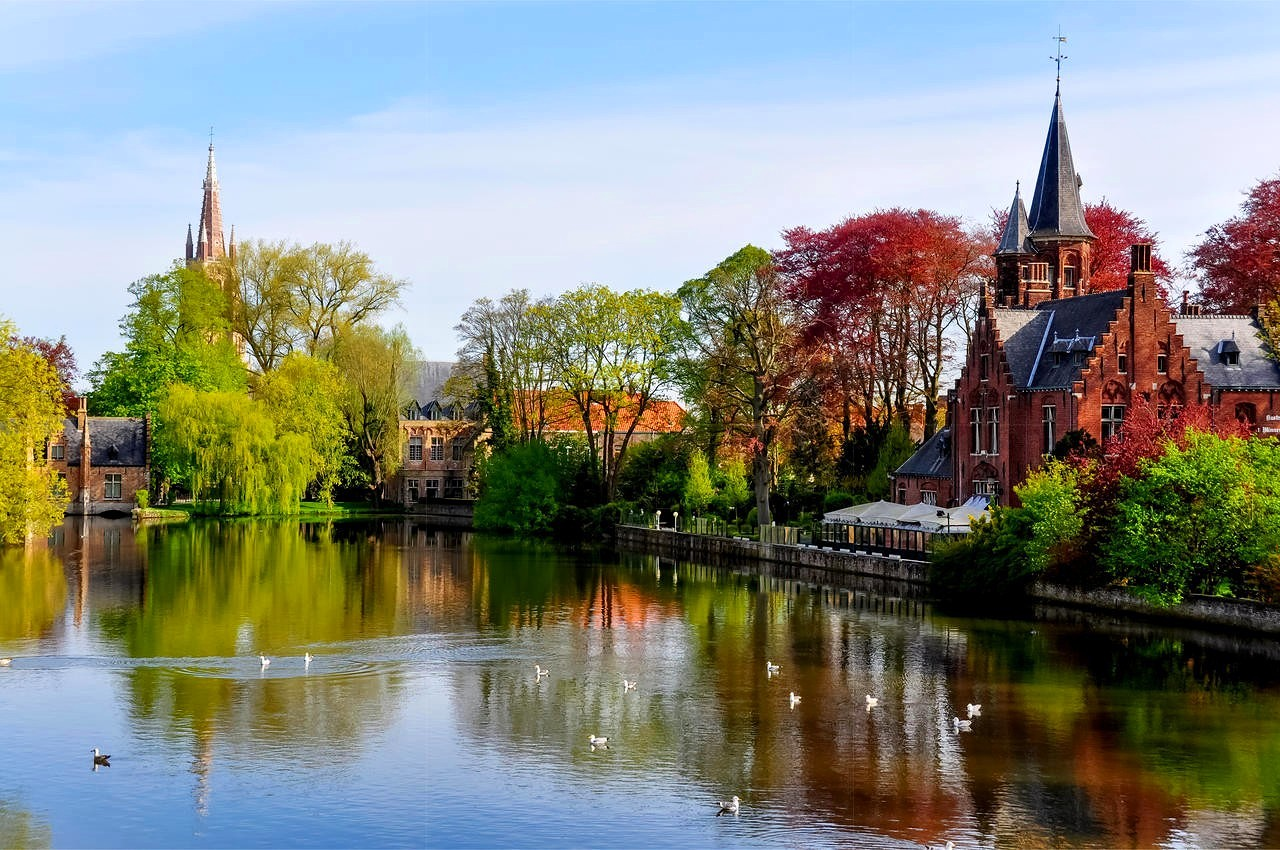
A dreamlike glimpse of Bruges bathed in the golden autumn sunshine.
Writing allows me to explore the emotional beauty of ancient cultures, where memory, heritage and place become inseparable.
Related Artciles
Burgundy: The Soul of French Wine
Historic vineyards, renowned domaines and generations of savoir-faire define a region where wine is inseparable from landscape, heritage and culture.
Read the Story
Even Paintings Travel: Van Eyck’s Arnolfini Portrait from Bruges to London
A reflection on the journey of Jan van Eyck’s Arnolfini Portrait, tracing its passage from Bruges to the courts of Madrid and ultimately to London, where art, history and power converge.
Read the Story
From Burgundy to the Habsburg Courts: Marguerite of Austria and the Making of Europe
A personal reflection on Marguerite of Austria, from a child bride and Queen of France to Habsburg regent in Mechelen, shaped by dynastic marriages, loss and political responsibility.
Read the Story