
Bahamas, Turquoise Seas and Legendary Pirates
There are places where history seems to linger in the air, mingling with the scent of the sea and the light of the sky. The Bahamas was one of those places for me: a world of extraordinary beauty, but also of shipwrecks, pirates, ambition and discovery.
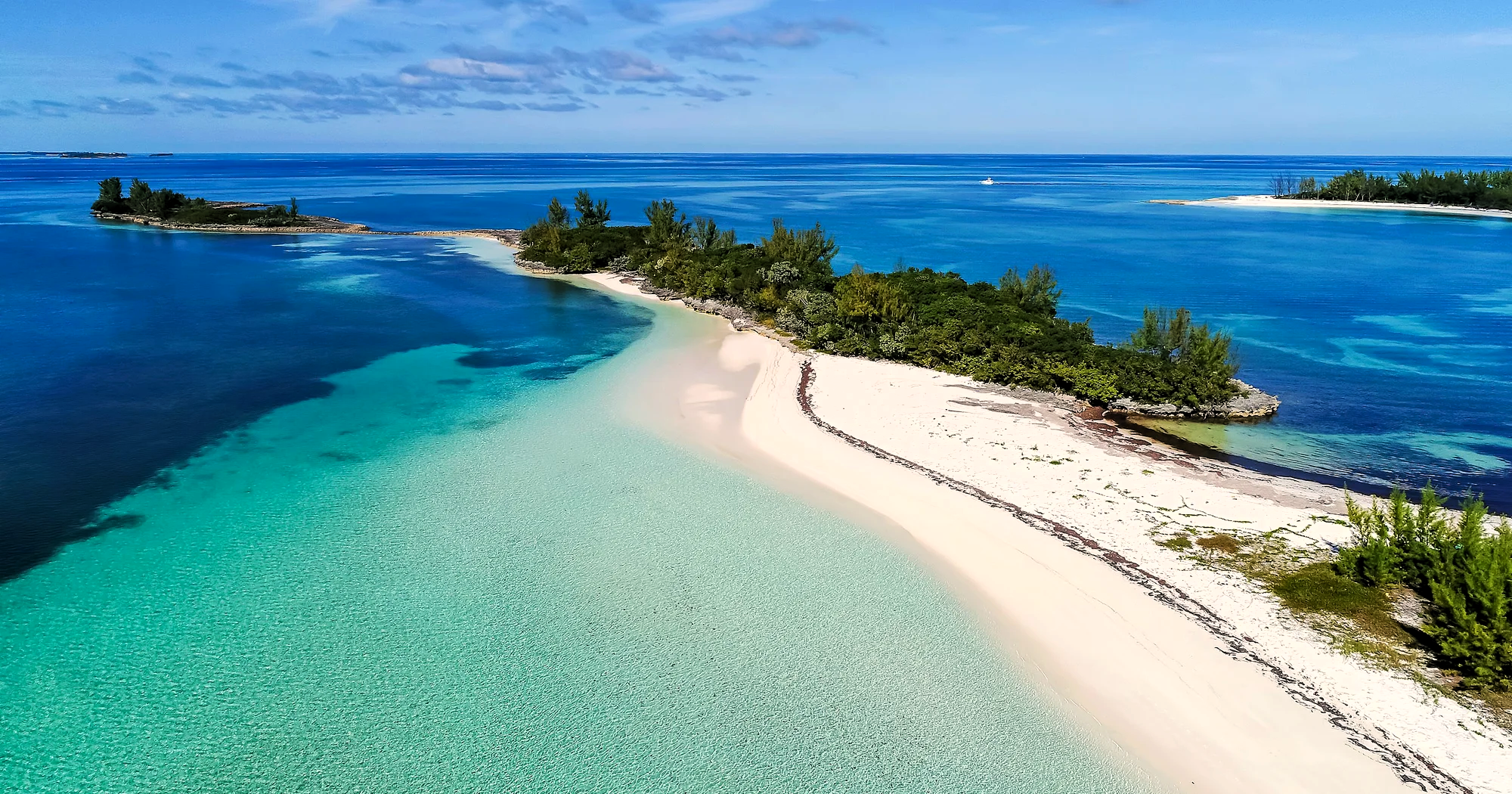
Where ivory sands meet turquoise seas, the Bahamas reveals nature at its most effortlessly sublime.
The weather soon cleared, the days unfolded with a gentle and agreeable rhythm, and I found myself travelling from island to island, gradually surrendering to the enchantment of this extraordinary archipelago. Everywhere I looked, nature seemed almost impossibly beautiful, suspended between an endless sky and waters of the most brilliant turquoise.
Where the sea was shallow, it became almost transparent, so clear that I could see the pale seabed beneath it. I was told that this was how the Bahamas acquired their name, from the Spanish baja mar — “shallow sea”. Where the ocean deepened, however, the colour changed dramatically, becoming a blue even richer than the sky itself.
Far below the surface lay magnificent underwater mountains, descending to depths of almost four thousand metres. Standing there, looking out over such apparently serene waters, I found it difficult to imagine the formidable world concealed beneath them.
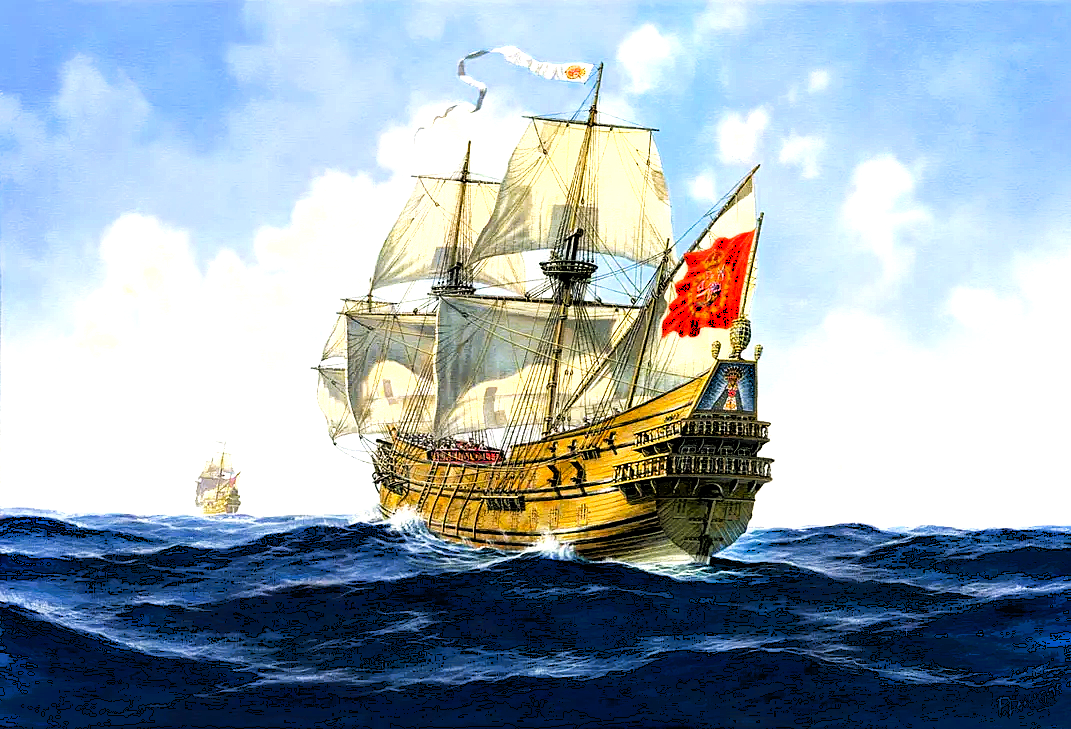
Nuestra Señora de las Maravillas — a legendary Spanish galleon, lost to the sea in 1656 and remembered through the centuries.
This extraordinary landscape of submerged ridges, reefs and treacherous shallows was also the reason why so many Spanish galleons met their fate in these waters. Laden with gold and precious cargoes from Mexico and South America, they sailed unknowingly towards disaster, and their misfortune would, in time, enrich the inhabitants of the Bahamas.
In those days, treasure hunting was among the most profitable of occupations, while the waters of the Caribbean were alive with pirates and fearless privateers. It is strange to think of these tranquil islands as a theatre of danger and violence. Yet the contrast somehow made the history feel more vivid to me: beneath the dazzling beauty of the present lay a past of greed, courage and bloodshed.
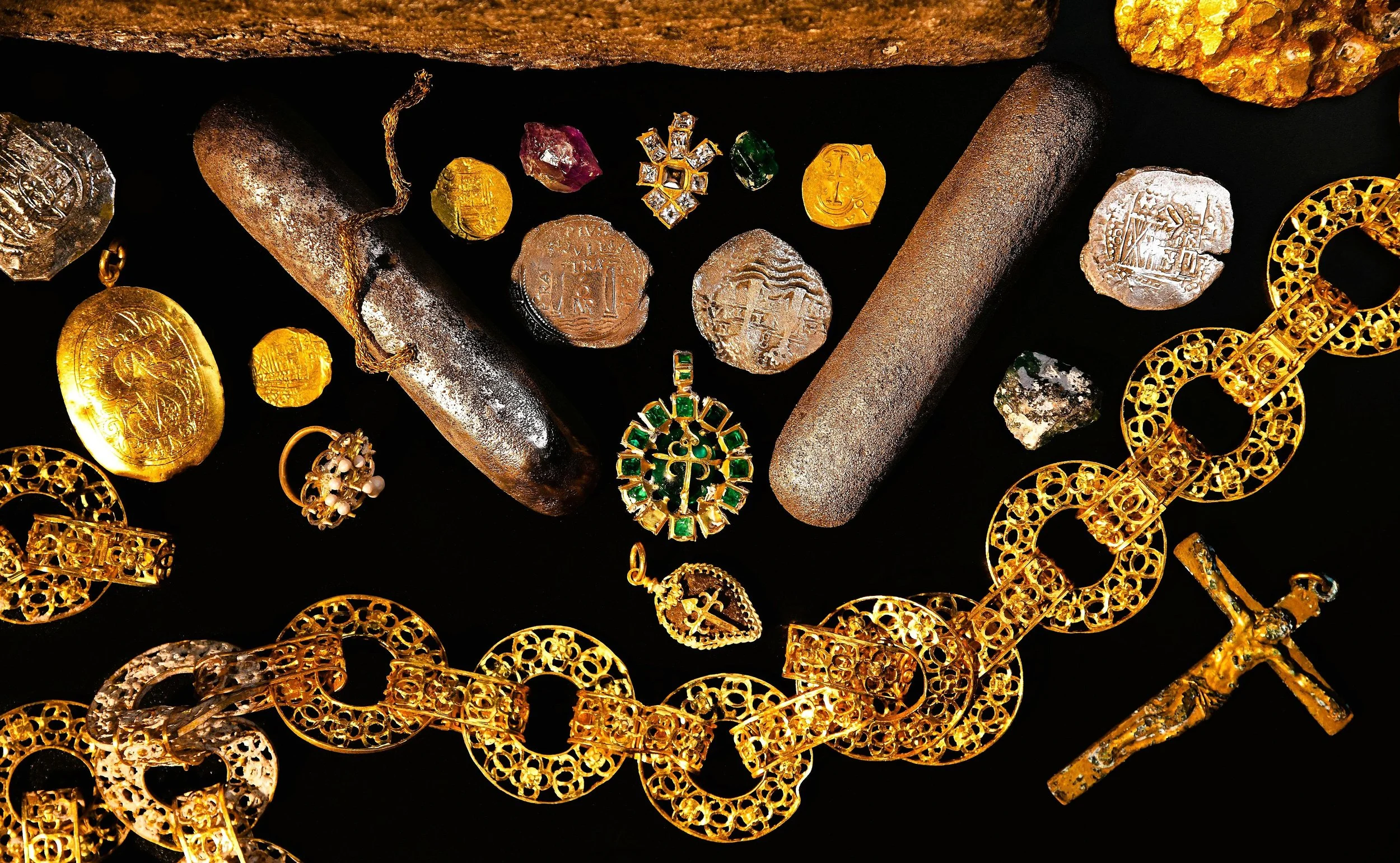
Priceless treasures recovered from 350-year-old Spanish shipwreck – Courtesy: The Bahamas Maritime Museum.
“A wreck ashore!” they would cry, their hearts racing at the prospect of the riches that awaited them — the chests they might open, the glittering gold coins they might carry away. Among these extraordinary figures were two remarkable women, Mary Read and Anne Bonny, who disguised themselves as men and fought alongside their male companions with a ferocity that earned them legendary reputations.
The English governors struggled to impose law and order. Indeed, driven by the lure of easy wealth and by London’s inability to send a governor strong enough to restore authority, the pirates themselves effectively ruled the islands for eleven years, from 1703 to 1714.
They proclaimed the Bahamas the “Republic of Pirates”, and the black pirate flag flew defiantly above the fortress of Nassau. I could not help imagining what Nassau must have looked like in those turbulent years: the harbour crowded with vessels, the streets filled with rough sailors, and the constant anticipation of danger hanging over the town.
From time to time, the Spanish sailed across from neighbouring Cuba in search of revenge, bombarding the harbour with cannon fire. Yet their attacks achieved little, and the pirates continued to hold sway over these remote islands.
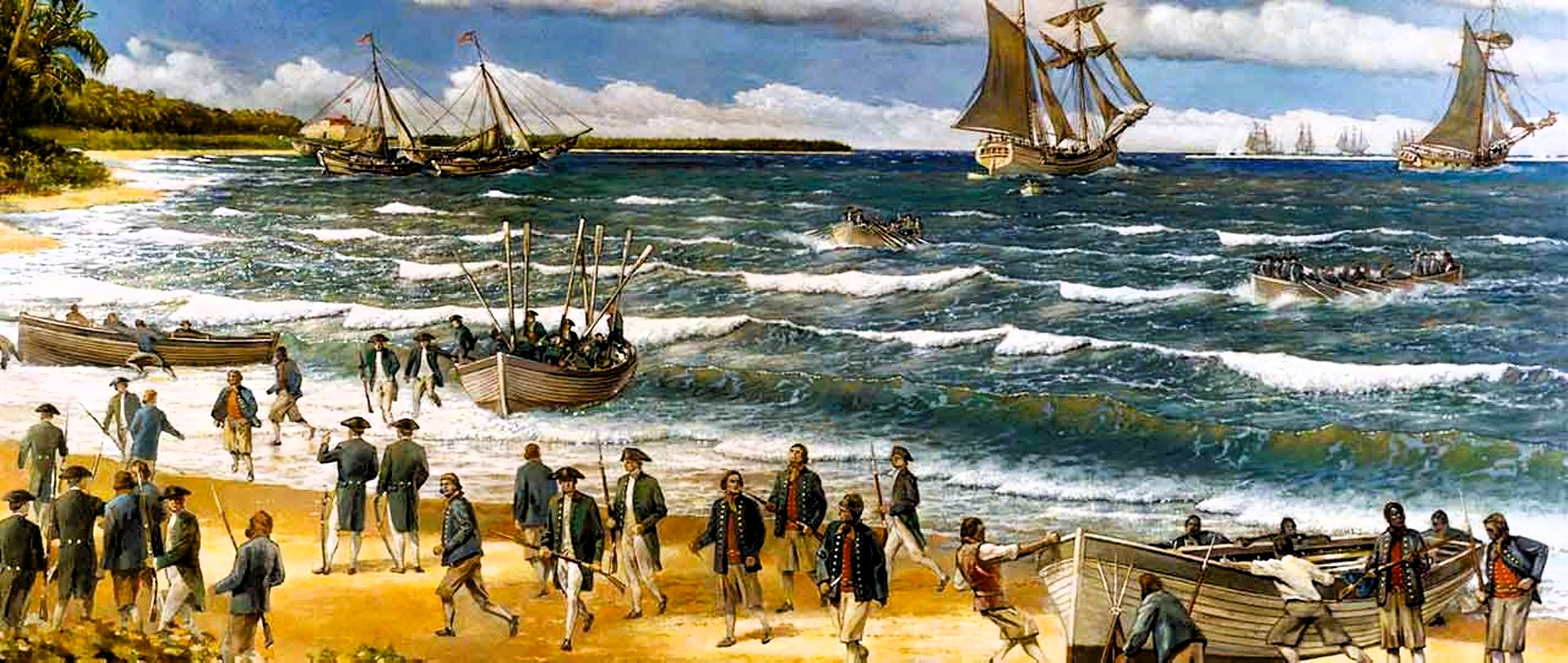
Between 1703 and 1714, pirates held a powerful presence in the Bahamas, as English governors struggled to restore law and order.
Ironically, although Christopher Columbus first set foot in the New World on one of the Bahamian islands, the Bahamas never became a Spanish colony. The Admiral soon abandoned them, sailing first to Cuba and then to Hispaniola — today’s Haiti and the Dominican Republic.
There he found the gold he had promised the Catholic Monarchs, Isabella of Castile and Ferdinand of Aragon. That discovery would have consequences far beyond these islands, flaming the ambitions of the conquistadores and drawing them irresistibly towards conquest.
It is one of the paradoxes of history that a place can be the scene of such a momentous encounter and yet remain, for centuries, almost forgotten. As I travelled through the Bahamas, I was struck repeatedly by this sense of history passing through rather than settling here.
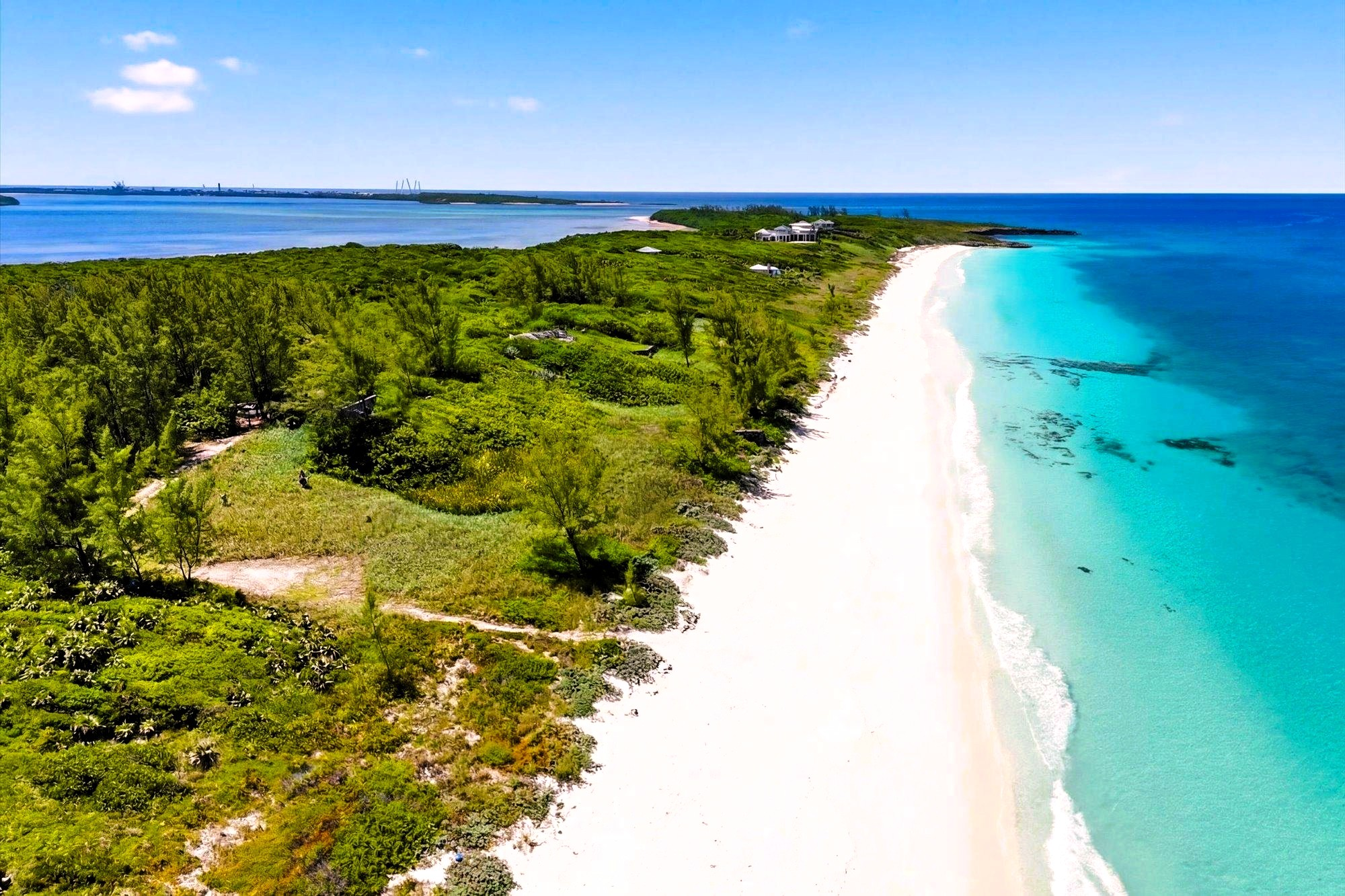
A serene meeting of powder-soft sands, crystalline turquoise waters and verdant shores.
Thus the deserted Bahamas were eventually settled, some one hundred and fifty years later, by colonists from Bermuda.
These were English settlers who, from 1612 onwards, had established themselves on the uninhabited and breathtakingly beautiful islands of Bermuda in the Atlantic under the English Crown.
Around 1645, a small group of some eighty colonists sought greater religious freedom. In search of a new home where they might worship according to their conscience, they sailed westwards and discovered an island that seemed to offer precisely what they were seeking. In honour of that ideal, they gave it the Greek name Eleuthera — “freedom”.
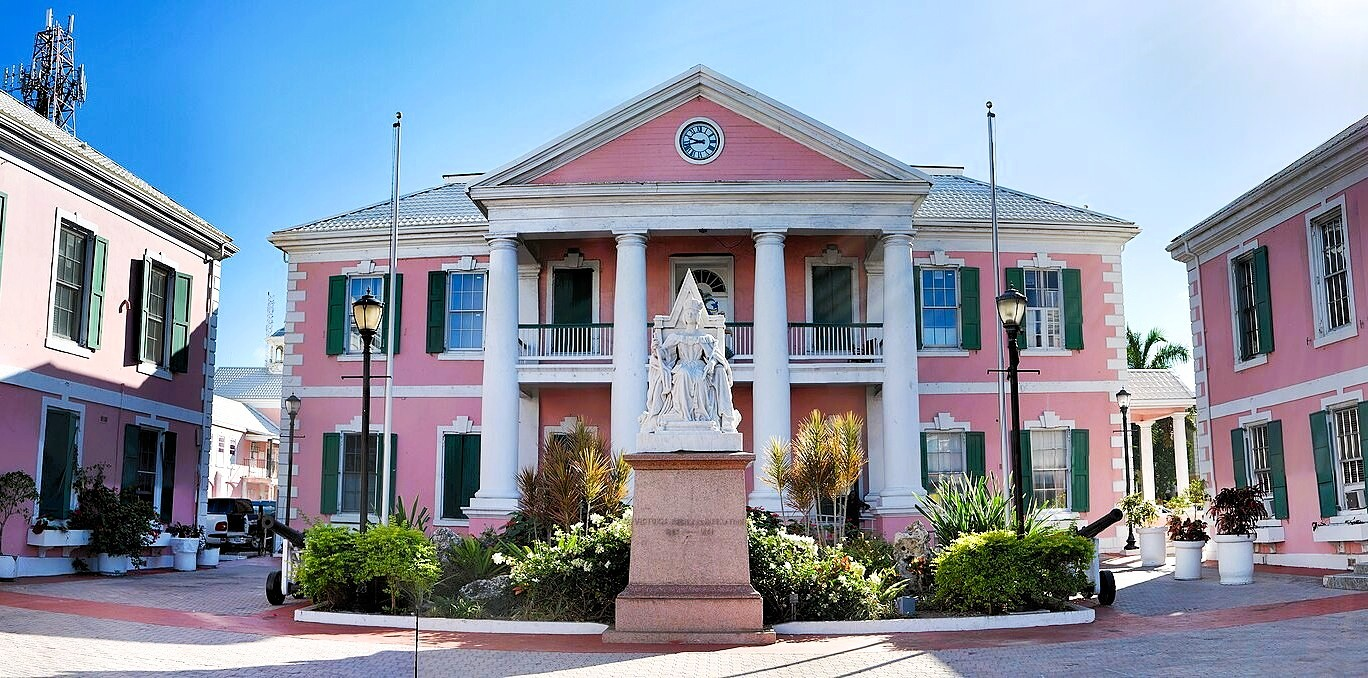
The graceful pink-hued Parliament Square of Nassau, where history and island charm meet beneath the Bahamian sun.
The name struck me as wonderfully appropriate. There was something deeply moving in the thought of those eighty people crossing the ocean in search not of gold or conquest, but of the simple right to live according to their beliefs.
Today, Eleuthera is one of the Bahamas’ most popular destinations, celebrated for its extraordinary beaches and natural beauty. Yet knowing something of the hopes that inspired its first English settlers gave the island, for me, a meaning that went beyond its landscape.
And perhaps that is what makes the Bahamas so captivating: the beauty is immediate, but the history reveals itself slowly, layer by layer, beneath the turquoise surface.
I have never seen travel as an escape, but as a form of storytelling — a narrative unfolding through landscapes, storied hotels, gardens and fleeting moments.
Journey through the pages of my Books in English Books in Italian Books in Greek
Related Articles
Bermuda: An Island of Enduring Charm
Surrounded by the Atlantic, Bermuda enchants with its pastel-hued houses, rich maritime legacy, secluded pink-sand shores and an unmistakable sense of refined island tranquillity.
Read the Story
Salvador, Bahia: The Soul of Brazil
From its vibrant streets and beautifully preserved colonial façades to its enduring Afro-Brazilian traditions, Salvador offers a captivating glimpse into the cultural heritage, history and spirit that define Bahia.
Read the Story