
Ernest Hemingway at the Hȏtel Ritz in Paris, France
Where our imagination may lead us
Travelling with the imagination can often prove more intense than travelling in reality. Seated in my library at home, I was reading A Moveable Feast (1964) by Ernest Hemingway, set in Paris, when my mind began to wander alongside his — towards the bar of the Hôtel Ritz in the 1920s. In those early days, he was an aspiring writer, able to afford such indulgence only once a week; later, when success had found him, he returned more freely. It was in Paris that he and his companions of the “Lost Generation”, together with F. Scott Fitzgerald, shaped the enduring myth of the American expatriate writer, drifting — often unsteadily — through the bars of the Left Bank.
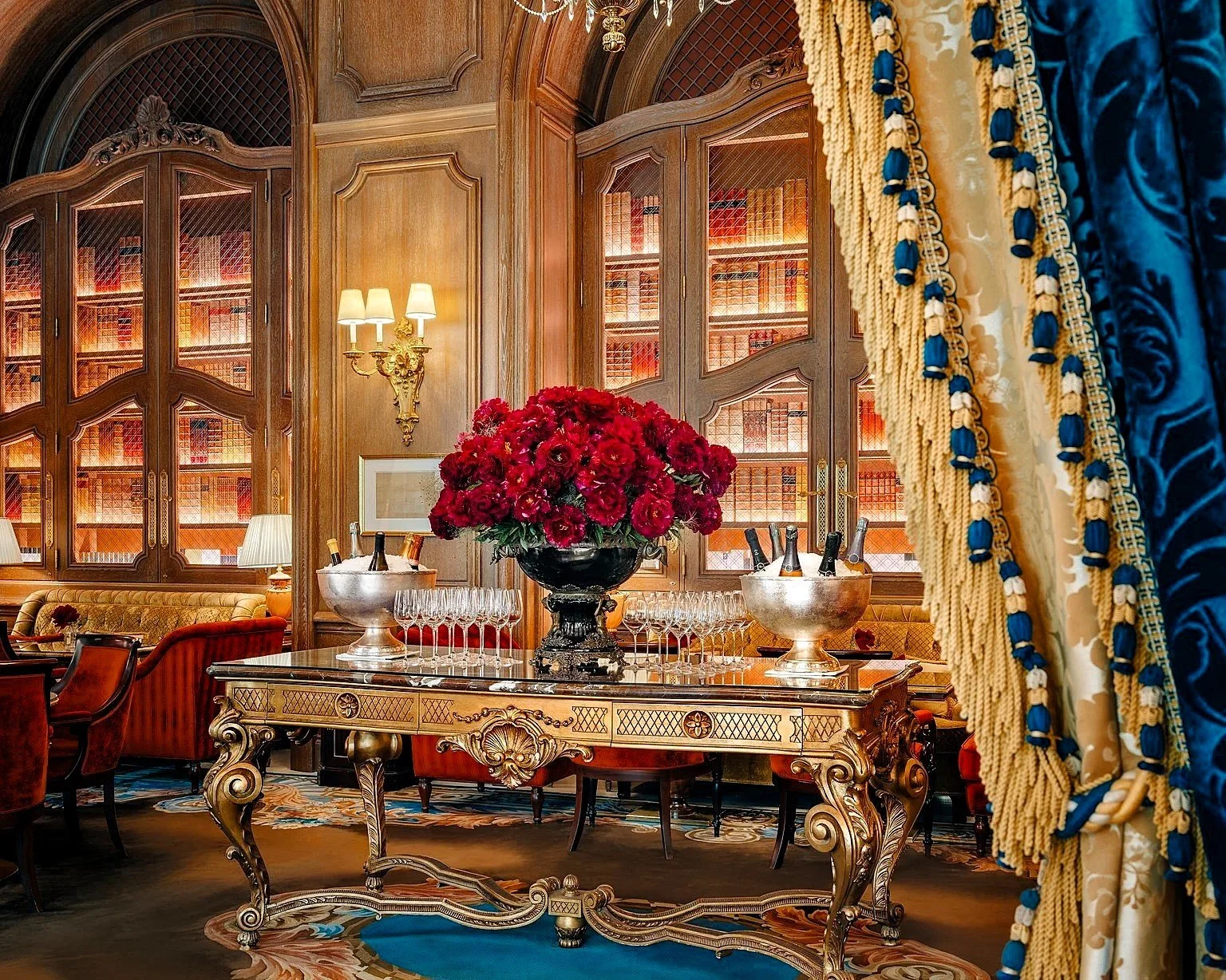
The Ritz, Paris: lounges adorned in extravagant décor.
Long after the Second World War, Hemingway recalled in A Moveable Feast that Georges, the bartender at the Ritz, had once asked him who Scott Fitzgerald was. In the 1920s, Georges had been a bellboy rather than a bartender. “You didn’t know him?” Hemingway asked. “No. I remember all the customers of that era, yet now everyone speaks of him, and I cannot imagine why.” He went on to mention the Baron von Blixen, “…with whom you — always addressing Hemingway — were frequently seen, and whom no one could easily forget.”
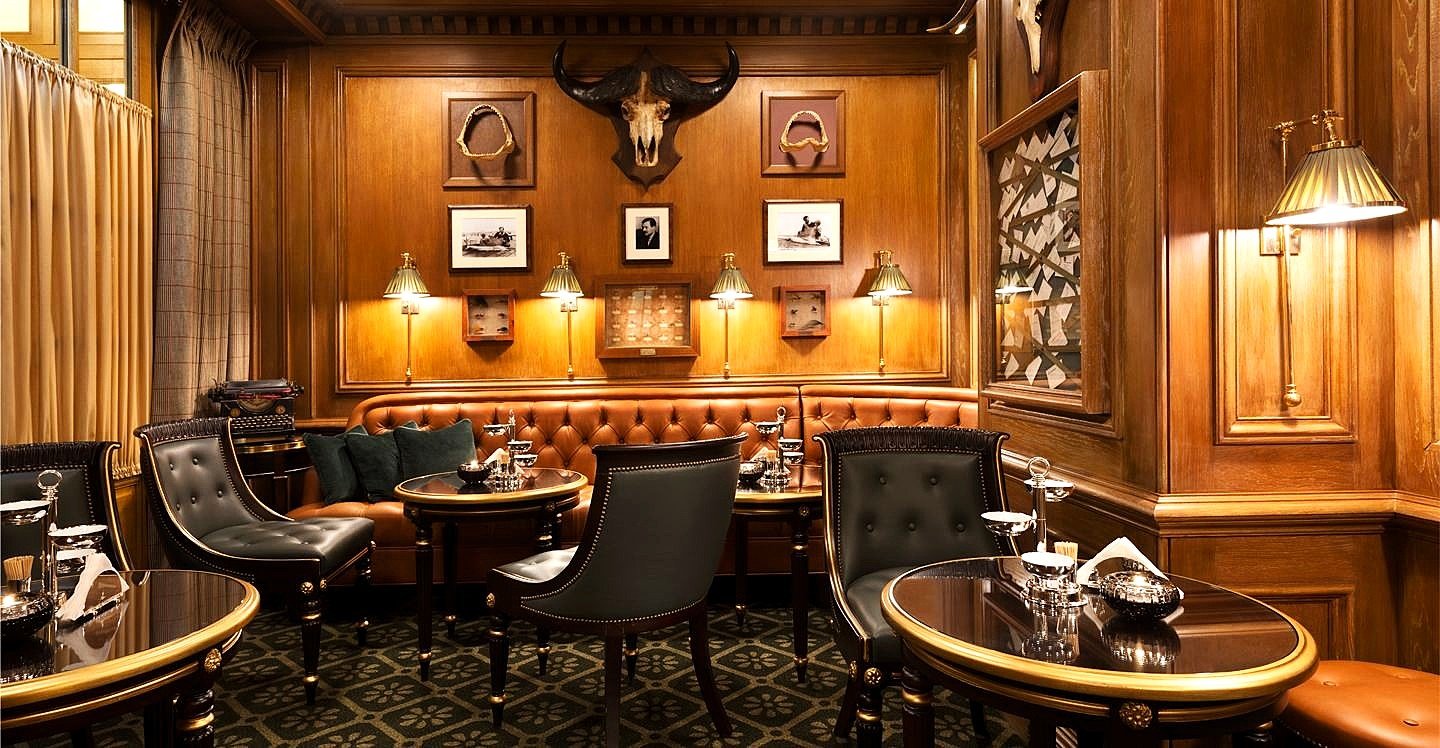
The Bar Hemingway at the Ritz in Paris.
At the sound of that name, my thoughts left the Ritz and travelled to the villa of Karen Blixen, outside Nairobi, which I had visited some thirty years earlier. I recalled a particular afternoon, seated on the veranda, reading her celebrated Out of Africa and contemplating the landscape stretching before me. “Blixie was very proud of the writings of his first wife,” Hemingway told Georges, “but we had known each other before they married.”
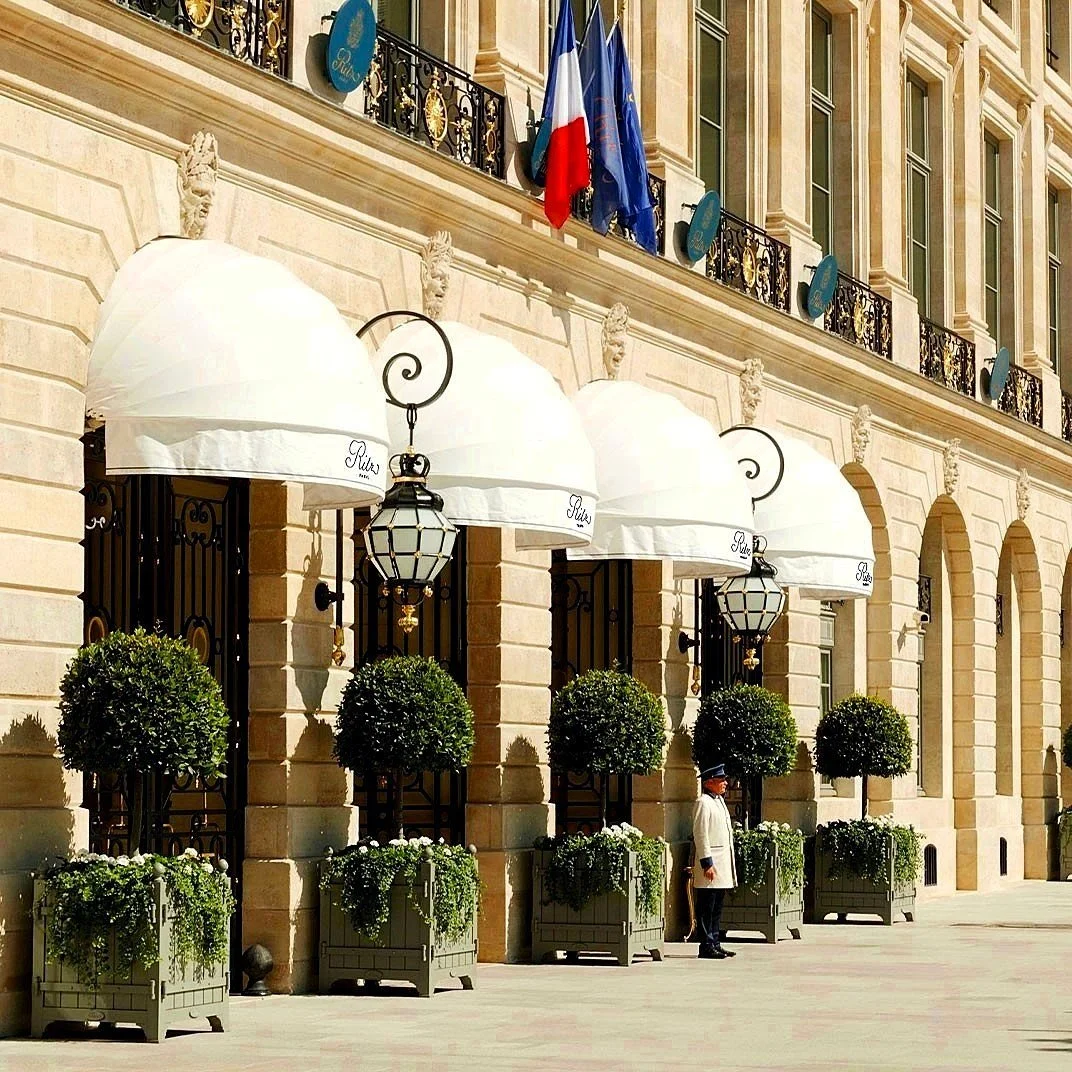
The Ritz, Paris — an icon of elegance.
Travelling with the mind can, indeed, be an experience of rare intensity.
Travel through the pages of my Books in English Books in Italian Books in Greek
Related Articles
Opéra Garnier (Paris Opera): Ballet, Silence and the Poise of Perfection
At the Opéra Garnier in Paris, the final movements of The Sleeping Beauty unfold in breathless precision, where a ballerina’s control, the orchestra’s score and the theatre’s gilded light converge in a moment of absolute artistic intensity.
Read the Story
From Murano to Versailles: The Venetian Glassmakers Who Reshaped Paris
Under the reign of Louis XIV, Venetian master glassmakers were brought from Murano to France under discreet political manoeuvres led by Colbert, transforming royal workshops and redefining glass artistry in Paris.
Read the Story