
A Flourish of Japanese Culture
The Edo Period
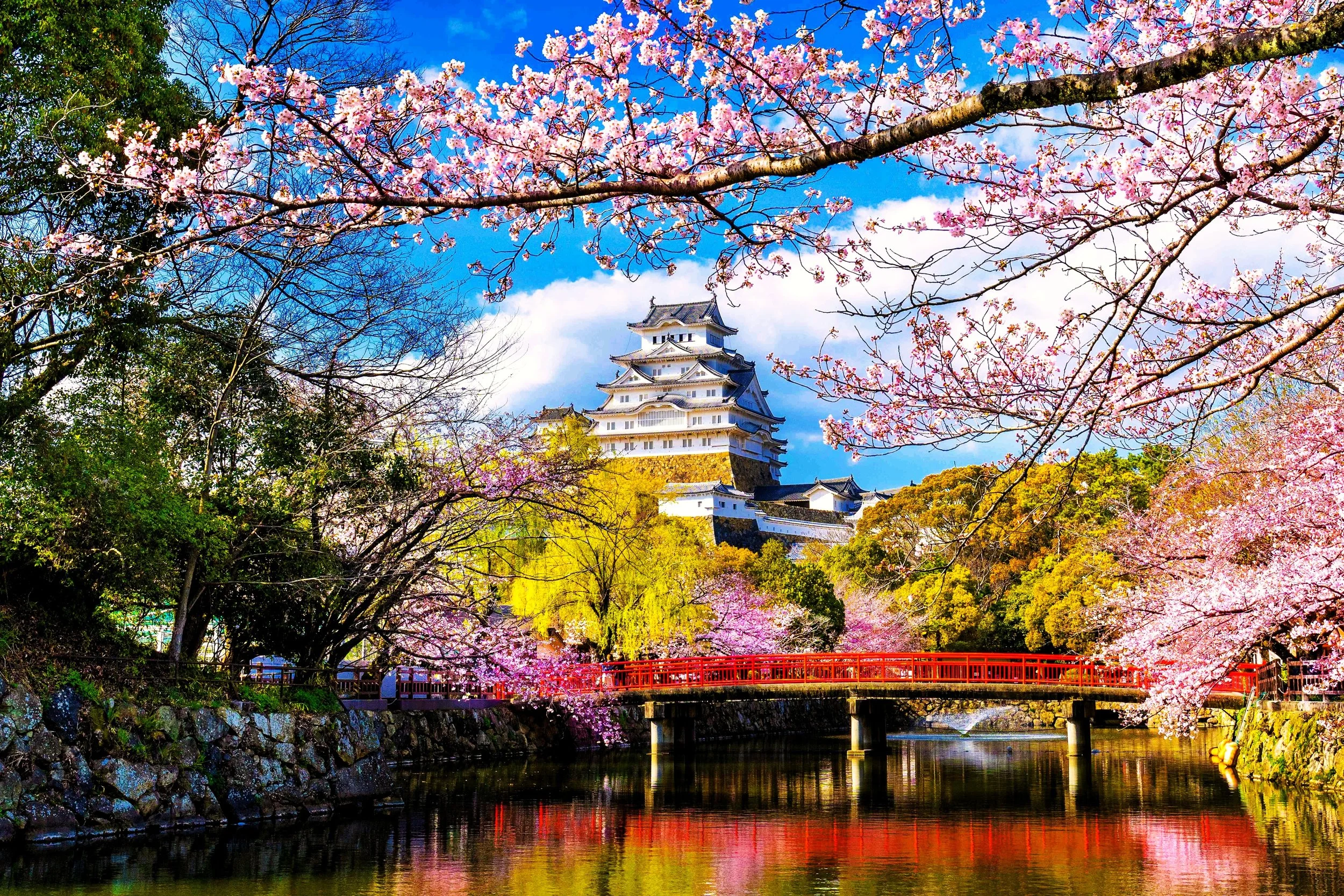
Cherry Blossoms in Japan.
Japan, a land of countless islands, has long been shaped by a culture of discipline, sensitivity, and refined aesthetic sensibility. From the earliest times, it was symbolically ruled by an emperor, believed to descend from the Sun, a reflection of the nation’s enduring epithet, the “Land of the Rising Sun.”
In practice, power rested with the daimyō, landowning lords who resolved their rivalries through the samurai, professional warriors bound by the uncompromising code of bushidō, in which honour, dignity, and devotion to duty became the bedrock of society.
Around 1600, the Tokugawa Shogunate emerged victorious, establishing its capital at Edo, modern-day Tokyo. The emperor remained a unifying figure, while the daimyō alternated residence between the capital and their domains, preserving a delicate balance of power. The long peace that followed, known as the Edo period (1603-1868), fostered a remarkable cultural flourishing, during which arts and nature thrived in harmonious interplay.
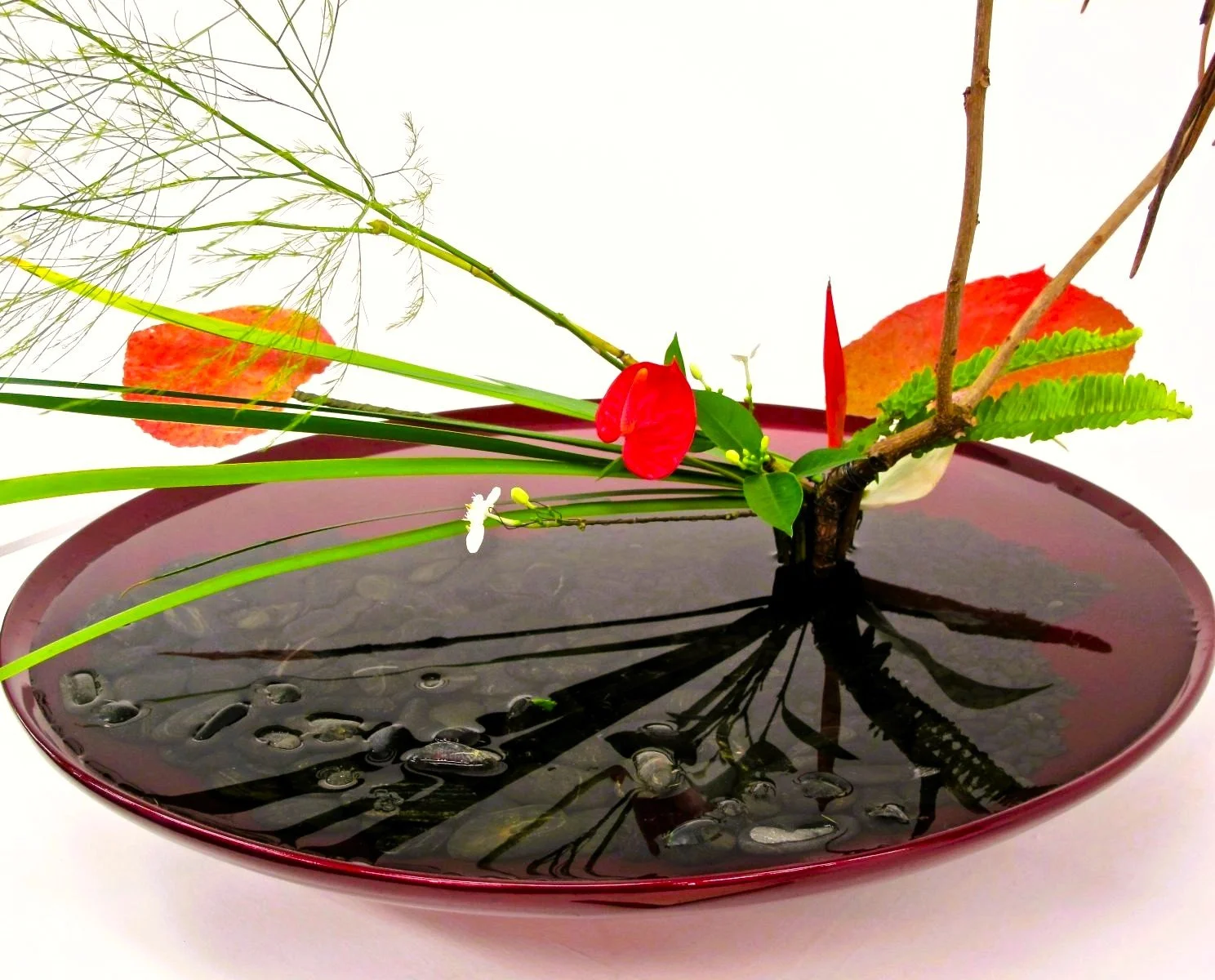
Ikebana: The Art of Flower Arrangement.
Ikebana, the refined art of flower arrangement, expressed fleeting beauty through disciplined simplicity and contemplative grace, while bonsai, the delicate cultivation of miniature trees, mirrored the grandeur of nature through patient pruning and careful shaping. Gardens, inspired by Shinto reverence for the natural world, honoured the sacred presence within stones, water, and ancient trees, guiding observers toward stillness and a quiet communion between human spirit and living landscape.
Traditional Japanese aesthetics, particularly during the Edo period, prized asymmetry (fukinsei), reflecting the natural irregularities and impermanence of the world. This principle permeates gardens, ikebana, architecture, and visual arts alike, celebrating balance through unevenness rather than rigid, mirrored symmetry, and lending a quietly dynamic harmony to all forms.
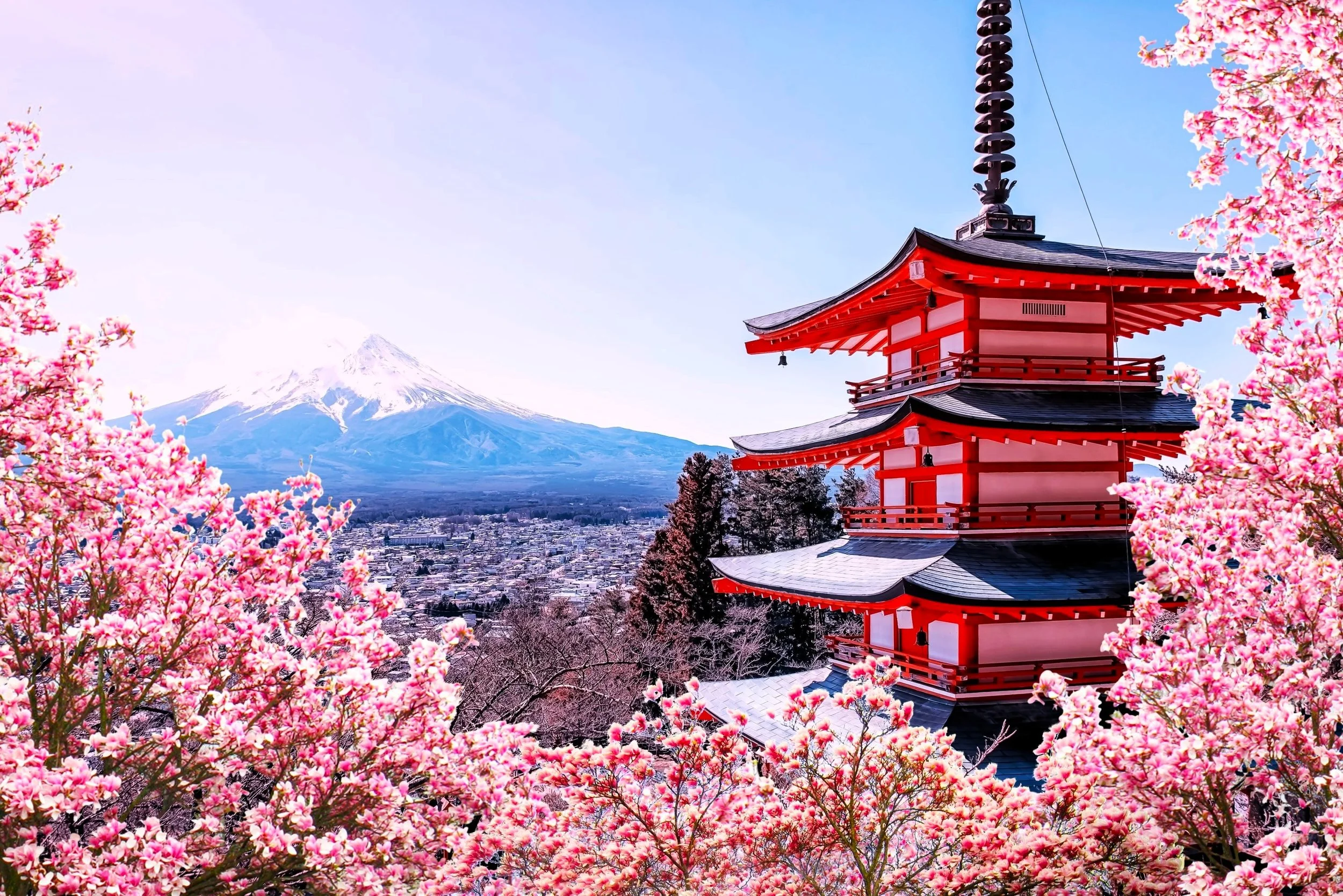
Chureito Pagoda and Mount Fuji, a famous landmark during spring in Japan.
Cherry blossoms, radiant yet fleeting, symbolised life’s transience and fragile beauty. In their brief, luminous flowering, they embodied the poignancy of passing moments, a reminder that splendour is most profound when ephemeral and that grace often resides in what cannot endure.
Theatre flourished through Noh, which distilled drama into masked stillness, chant, and measured gesture, evoking profound spiritual depth, while Kabuki celebrated spectacle through elaborate costume, dynamic movement, and heightened emotion.

The Geisha: A Symbol of Elegance and Tradition.
During the Edo period, the geisha culture arose, epitomising artistic refinement through music, dance, and cultivated conversation. Within intimate and rarefied gatherings, these accomplished women preserved grace, discipline, and centuries-old ritual, becoming living vessels of aesthetic tradition and subtle social artistry.

“Woman Reading a Book” by Kikugawa Eizan, late Edo period (1789-1868) – Harvard Art Museum, Cambridge, Massachusetts.
Literature thrived alongside the performing arts. Women’s novels, composed in Japanese, explored intimate worlds and emotional depths considered daring for the period, while men continued to write in classical Chinese. Poetry, particularly haiku, distilled profound meaning into a few measured syllables, capturing fleeting moments of nature, feeling, and insight. Its brevity invited contemplation, encouraging readers to dwell on simplicity, impermanence, and the delicate interplay of thought and sensation.

Claude Monet, The Water-Lily Pond, Oil on canvas (1899) – The National Gallery, London.
This refined cultural world captivated the West, inspiring movements such as Japonisme in painting, design, and decorative arts. Its emphasis on asymmetry, restraint, and natural beauty reshaped Western aesthetics, leaving an enduring imprint on architecture, fashion, visual arts, and the global appreciation of subtle, contemplative elegance.
My travels are guided by a desire to experience places with intention, curiosity and a sense of calm refinement.
Related Articles
China: Porcelain Traditions of Imperial China
Chinese porcelain stands as a symbol of refinement, technical brilliance, and the long evolution of imperial artistic expression.
Read the Story
Bangkok: Golden Palaces of Siamese Elegance
From gilded palaces adorned with intricate detail to the refined beauty of Siamese architecture, Bangkok reflects a heritage of sacred artistry and imperial splendour.
Read the Story