
Safari in Kenya
Beneath the First Light of Amboseli
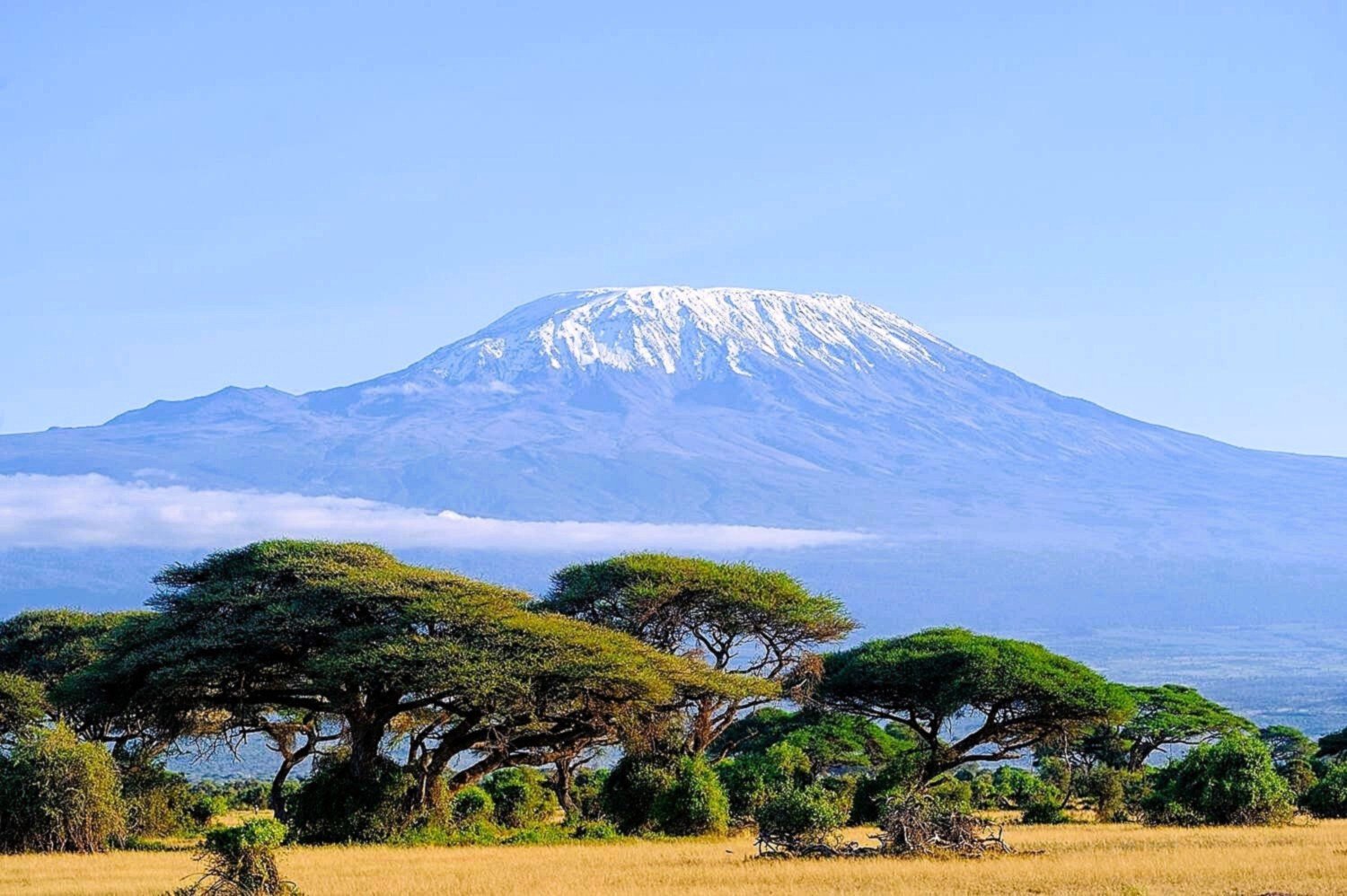
Amboseli National Park: where light and wild meet
I woke at 5.45, when the night still lingered over the plains like a held breath, and by 6.30 we were already on our way, the jeep gliding quietly into the dawn. Sunrise in Amboseli has always moved me: the sky easing from indigo into pale rose, Mount Kilimanjaro faint on the horizon, the air cool and expectant. Sleep never crossed my mind. Camera in hand, I watched elephants, gazelles, buffalo, zebras and baboons emerge with the light itself, as though the day were gently unveiling them.
As the land awakened, so did my sense of wonder. I had never imagined animal life to be so intricate, so charged with meaning. It takes those who belong to the land to reveal its hidden order. Steve, from the Kikuyu tribe, spoke with quiet authority, transforming each encounter into a story. Every animal became a presence, shaped by memory and instinct. When we came upon a herd of seven elephants standing solemnly ahead of us, I felt less an observer than a guest, briefly admitted into their world.

March of the gentle giants: the elephants’ journey
Curiosity drew us closer. Paul edged the jeep forward, and in an instant an elephant struck the vehicle with her trunk. My mother’s startled cry echoed my own silent alarm as Paul reversed swiftly. Only then did we see the calves. The mother’s aggression was not anger, but devotion — fierce, unquestionable. As Steve spoke of how elephants mourn their dead — two days for a member of the herd, seven for a lost calf — a quiet reverence settled over me. Their long lives, their rituals of circling and covering the dead with branches, felt profoundly human.

The grace of giraffes on the Plains
That sense of kinship followed us as we moved on. Giraffes and elephants, Steve explained, share the same walking rhythm, advancing forelimb and hind leg together in measured harmony. Fallen trees lay scattered across the plain, silent signs of elephant passage, of immense power exercised without haste. Then Paul braked again. Ahead of us lay a giraffe, newly killed — a scene both shocking and solemn, where beauty and brutality converged. As we drove on, zebras scattered, their sudden flight briefly animating the plain with grace and urgency.
The rhythm slowed once more when we encountered the buffalo. Massive, motionless, seemingly indifferent, they stood in a compact group, small white birds resting calmly on their backs. Admiration gave way to unease. Buffaloes tolerate no vulnerability; to leave the jeep would be to invite certain death. They do not wound and retreat — they finish what they begin. The knowledge was chilling, yet compelling. In their presence, I felt the full weight of the wild: unyielding, honest, governed by laws far older than ourselves.
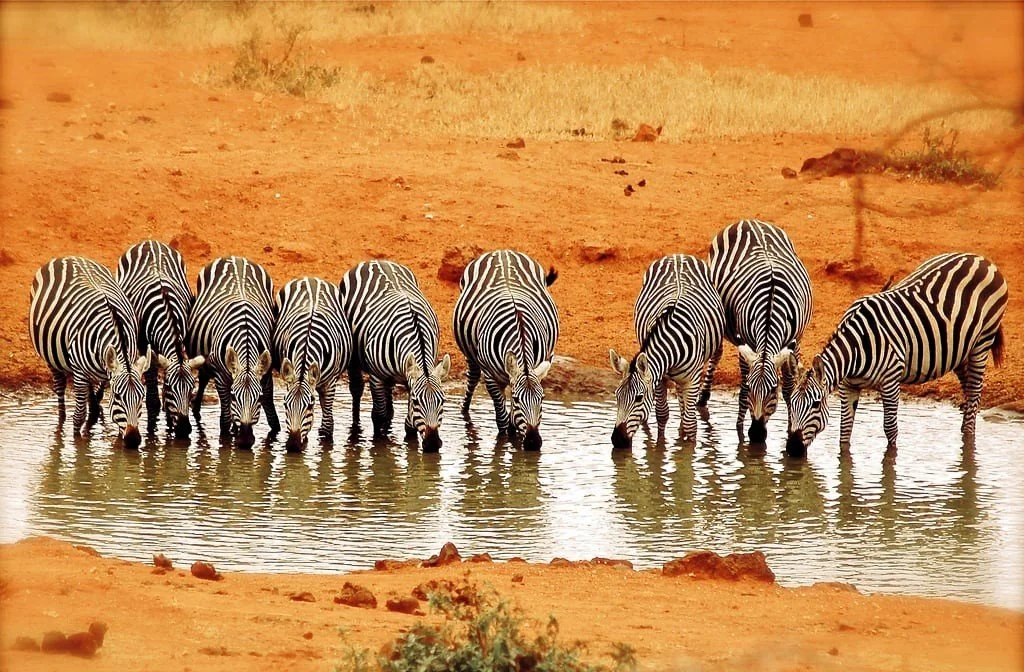
Zebras at the water’s edge of Amboseli
As the sun climbed higher, the spell of the morning slowly loosened. We drove on in thoughtful silence, carrying images that needed no words. Even now, thirty-five years later, that dawn in Amboseli remains vivid — not as a list of sightings, but as a quiet awakening. Some mornings never truly end; they simply settle into memory, where they continue to breathe.
* From my travel journal, thirty-five years ago.
Embark on a journey with my Books in English