
Where the Gold shines, Bangkok, Thailand
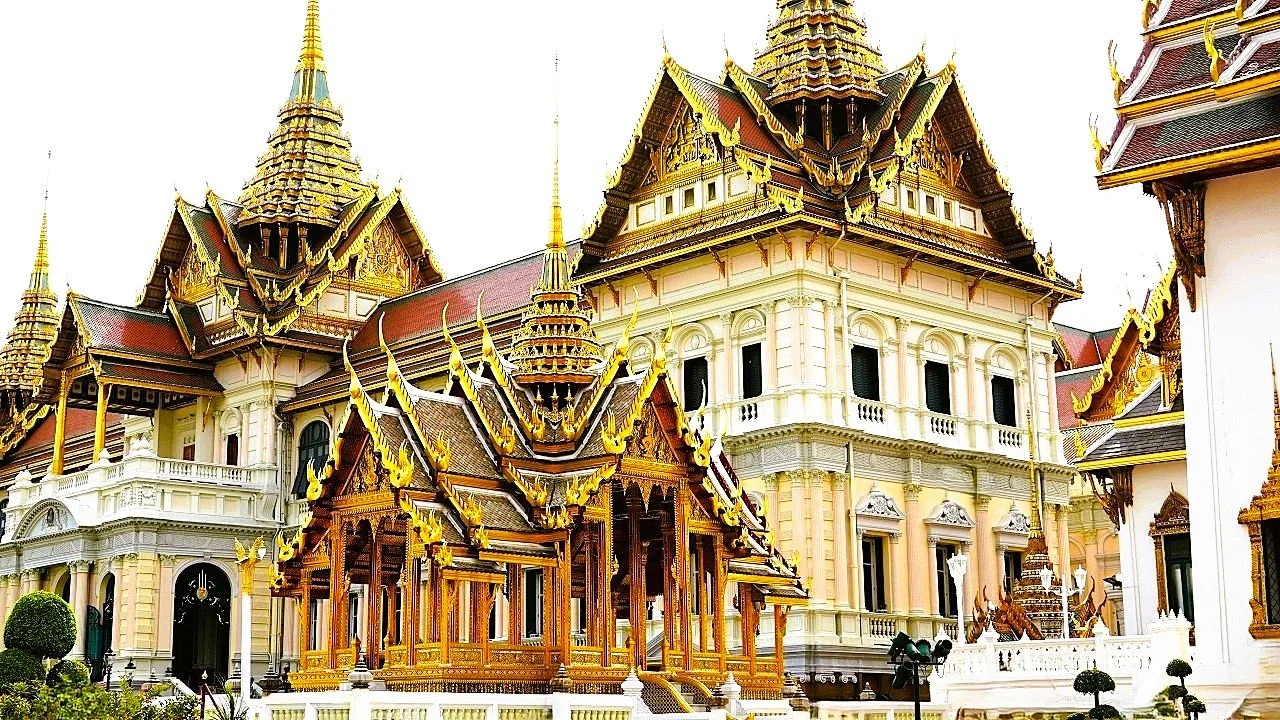
The Grand Palace, the official residence of the kings of Thailand for more than 150 years.
When I first visited the Grand Palace, its glazed tiles shimmering in green and red, I was struck above all by the gleaming gold that seemed to suffuse every surface. Yet instead of reflecting on the history and significance of such splendour, another image appeared before my eyes: Yul Brynner in the film The King and I.
I had not yet been born when that production was released, but I saw the film when I was just six years old. At that age I did not even know that Bangkok truly existed. In my imagination it was a legendary, exotic city where people sang, bowed ceremoniously, and lived beneath the rule of a king surrounded by wives, concubines and a hundred children.

The Temple of the Emerald Buddha within the Grand Palace.
The palace itself has a far richer and more complex history. The Grand Palace was established in 1782 by Rama I when he founded the Chakri dynasty and made Bangkok the capital of Thailand. For more than 150 years it served as the official residence of the kings of Siam. Within its walls stands the revered Wat Phra Kaew, the Temple of the Emerald Buddha, making the complex both a royal and spiritual centre of the nation.
The brilliance that dazzles visitors there is no mere ornament. In Thai Buddhism, gold symbolises purity, merit and the light of enlightenment. Gilded mosaics and delicate gold leaf catch the tropical sun, causing temples and palace roofs across Bangkok to shimmer against the skyline.
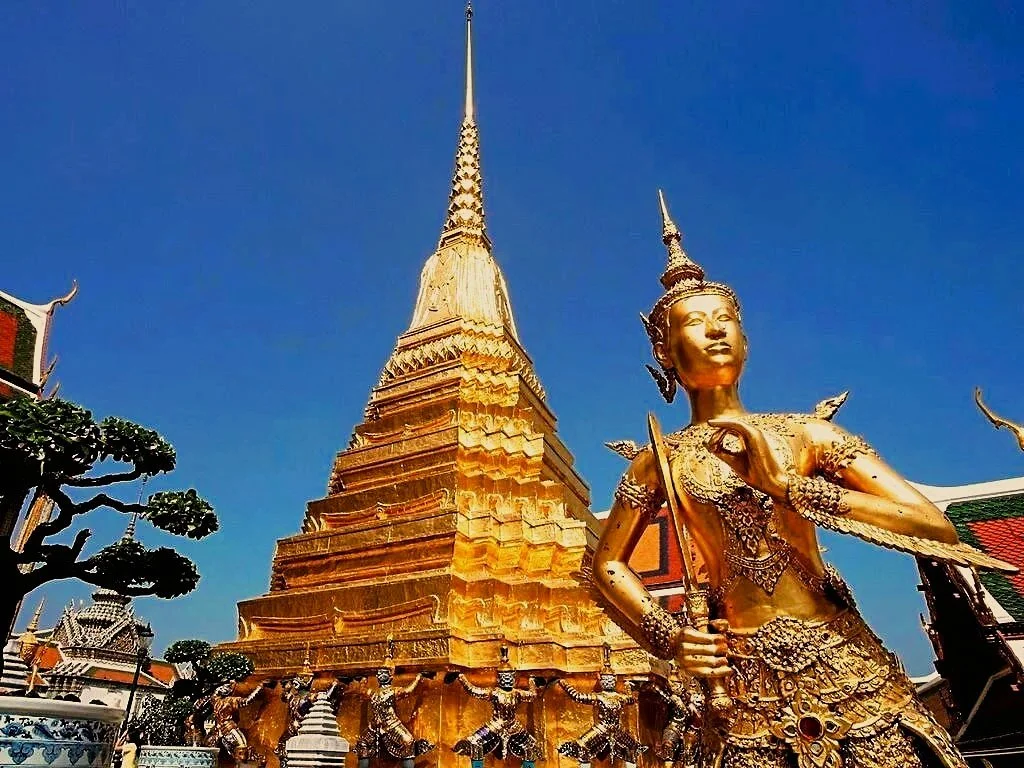
Gilded guardian figures within the Grand Palace complex.
My first journey to Thailand, in the early 1980s, moved me deeply in ways my childhood imagination had never conceived. The gold that glowed in the exquisitely refined royal residences seemed to merge with another kind of radiance: the warmth that shone in the smiles of the Thai children I saw from the small boat carrying me upstream along the country’s waterways.
From the deck I watched them dive joyfully into the river from their wooden houses on the banks, splashing and laughing as they swam together. Nearby, elderly women sat on the steps descending to the water, patiently washing and shampooing one another’s hair. Whenever our boat passed and the children noticed me photographing them, they greeted me with delighted cries, waving enthusiastically — just as children everywhere do when they are carefree and happy.
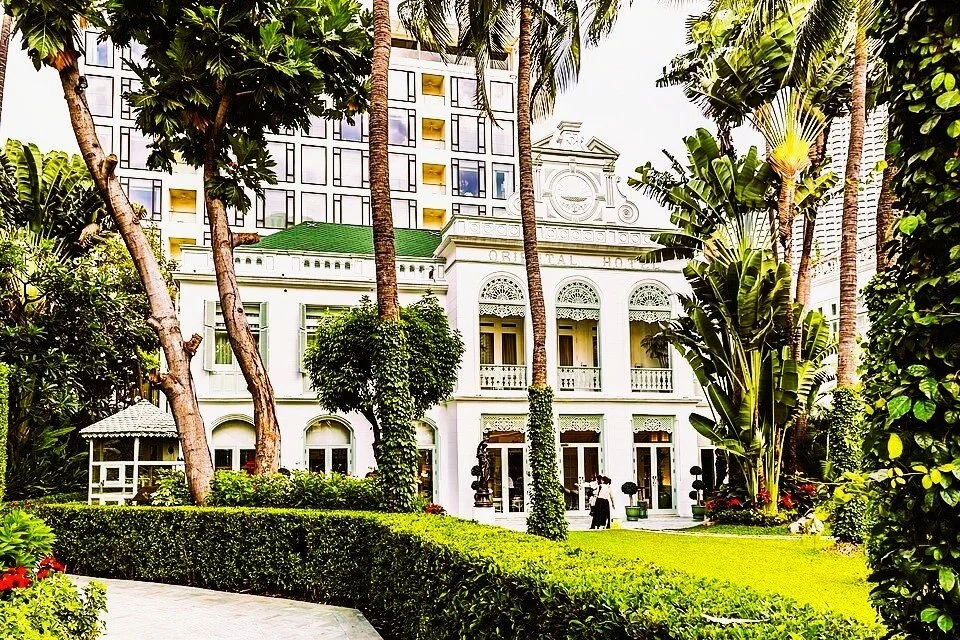
The original nineteenth-century Oriental Hotel in Bangkok.
That same journey also brought me to one of Bangkok’s most storied addresses, the celebrated Mandarin Oriental, Bangkok, which in the 1980s was still simply known as the Oriental. It opened in the late nineteenth century beside the Chao Phraya River and, from a modest riverside inn, gradually evolved into one of Asia’s most distinguished hotels. Over the decades it has welcomed writers, royalty and travellers from around the world. Figures such as Joseph Conrad and W. Somerset Maugham once stayed there, adding to its rich literary and cultural legacy.
Writing allows me to translate visual beauty into atmosphere, capturing the artistic soul of the places that inspire me.
Related Articles
Japan: An Era of Cultural Flourishing
The Edo period witnessed an extraordinary blossoming of artistic expression, refined aesthetics, and cultural traditions that continue to define Japan's enduring legacy.
Read Article
Chinese Porcelain: Imperial Craftsmanship and Timeless Beauty Celebrated for its elegance and technical mastery, Chinese porcelain reflects centuries of artistic achievement and the enduring sophistication of imperial culture.
Porcelain Craftsmanship of China