
The Magnificence of the Style of Berlin, Germany
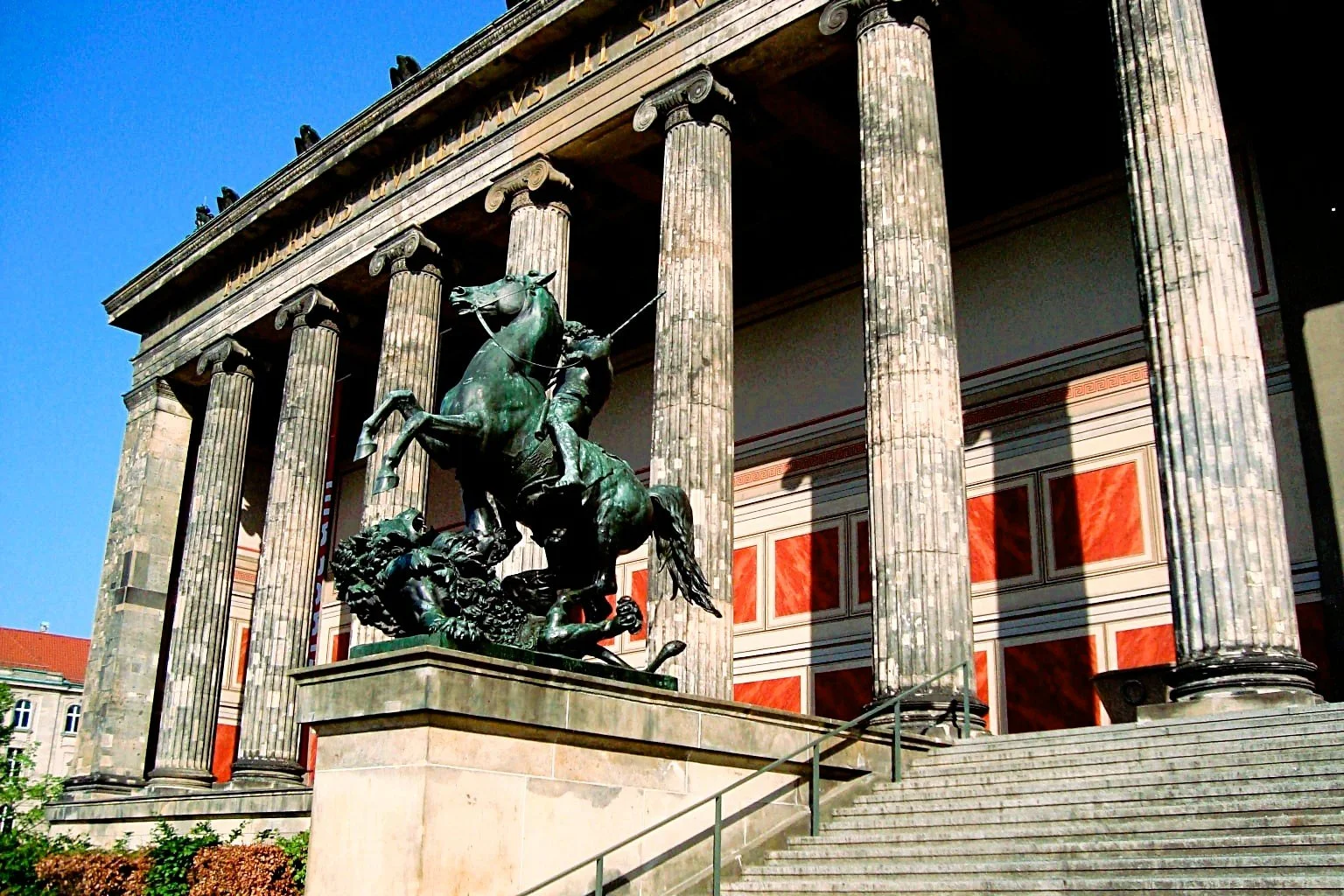
The equestrian statue of King Frederick William IV of Prussia before the Altes Museum, Berlin.
Berlin asserts its Prussian style with undeniable authority. The eye is struck by its grandeur and by the uncompromising order that seems to govern the entire urban landscape. Yet, even while admiring this magnificence, my thoughts drift back to Athens, where the same neoclassical language — expressed on a more modest scale and therefore, perhaps, with greater elegance — adorns public buildings such as museums, libraries and academies.
I generally avoid comparing one city with another. Instead, I prefer to place the impression of one alongside the atmosphere of another, allowing the two experiences to resonate naturally. In this way, a deeper and more satisfying perception emerges — a quiet synthesis of place, memory and sensation.
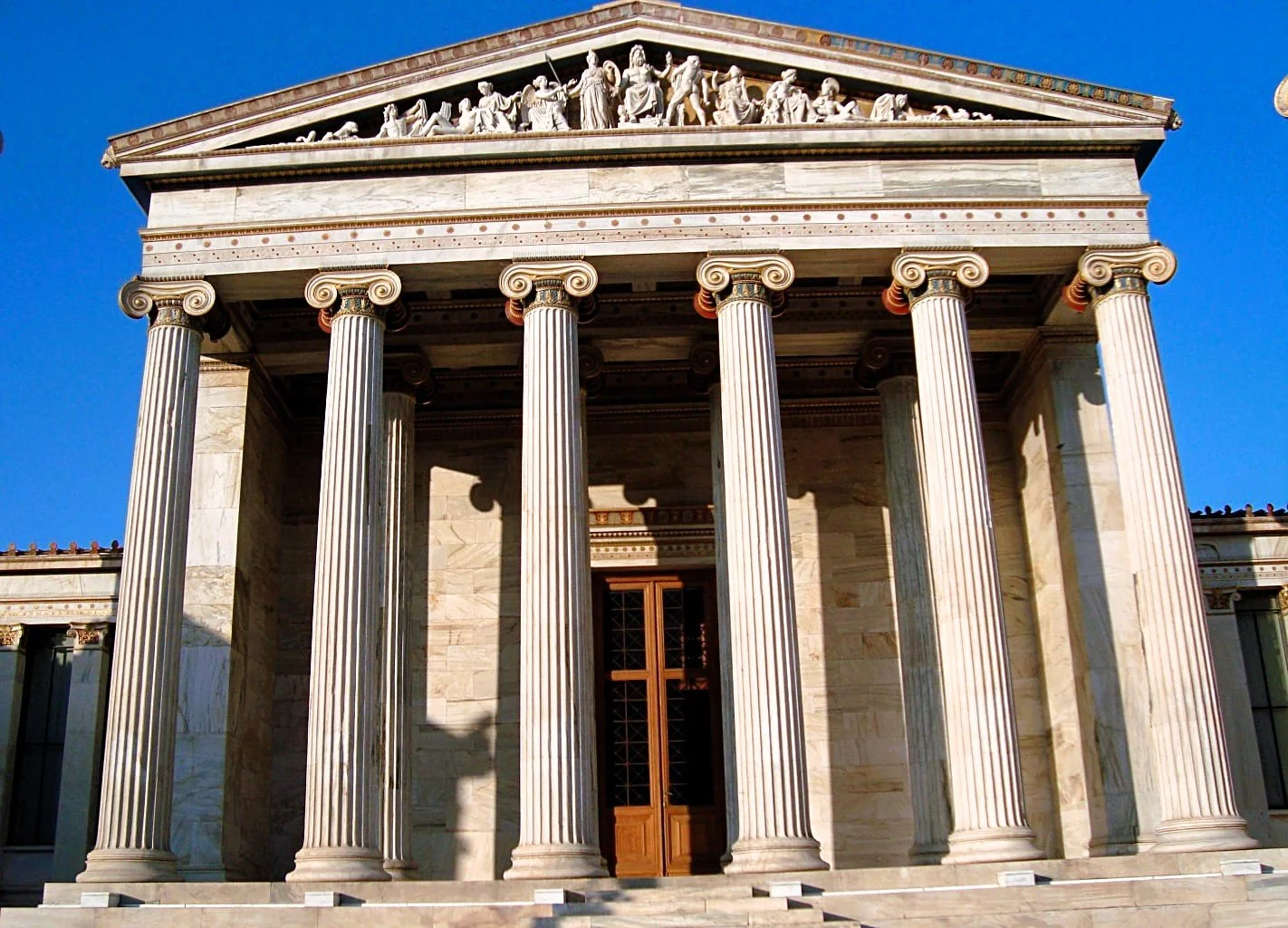
The elegant neoclassical building of the Academy of Athens.
With Berlin and Athens, however, even this gentle juxtaposition felt somewhat unnecessary. Standing before the Alte Nationalgalerie, I recall thinking almost instinctively: “Ah, but this is our Academy in Athens.” Ours is smaller and radiant in white marble beneath the Attic sun; the Prussian edifice, by contrast, appears more massive and austere.
There is, of course, a certain paradox in this encounter. The neoclassical style adopted by the Prussians — celebrated as a symbol of power and beauty — was introduced to Athens itself, the very city whose ancient heritage had inspired German architects in the nineteenth century. To Berliners, this architecture proclaims magnificence; to Athenians, it feels more like a courteous homage, for the authentic classical ideal endures upon the hill of the Acropolis.
Another impression accompanied my recent walks through Berlin: a quiet sense of reconciliation, conveyed by the unity of a city once divided for so long. I still remember East Berlin before the fall of the Wall. The Friedrich district seemed enveloped in a grey pall, evoking not splendour but a certain disorientation.
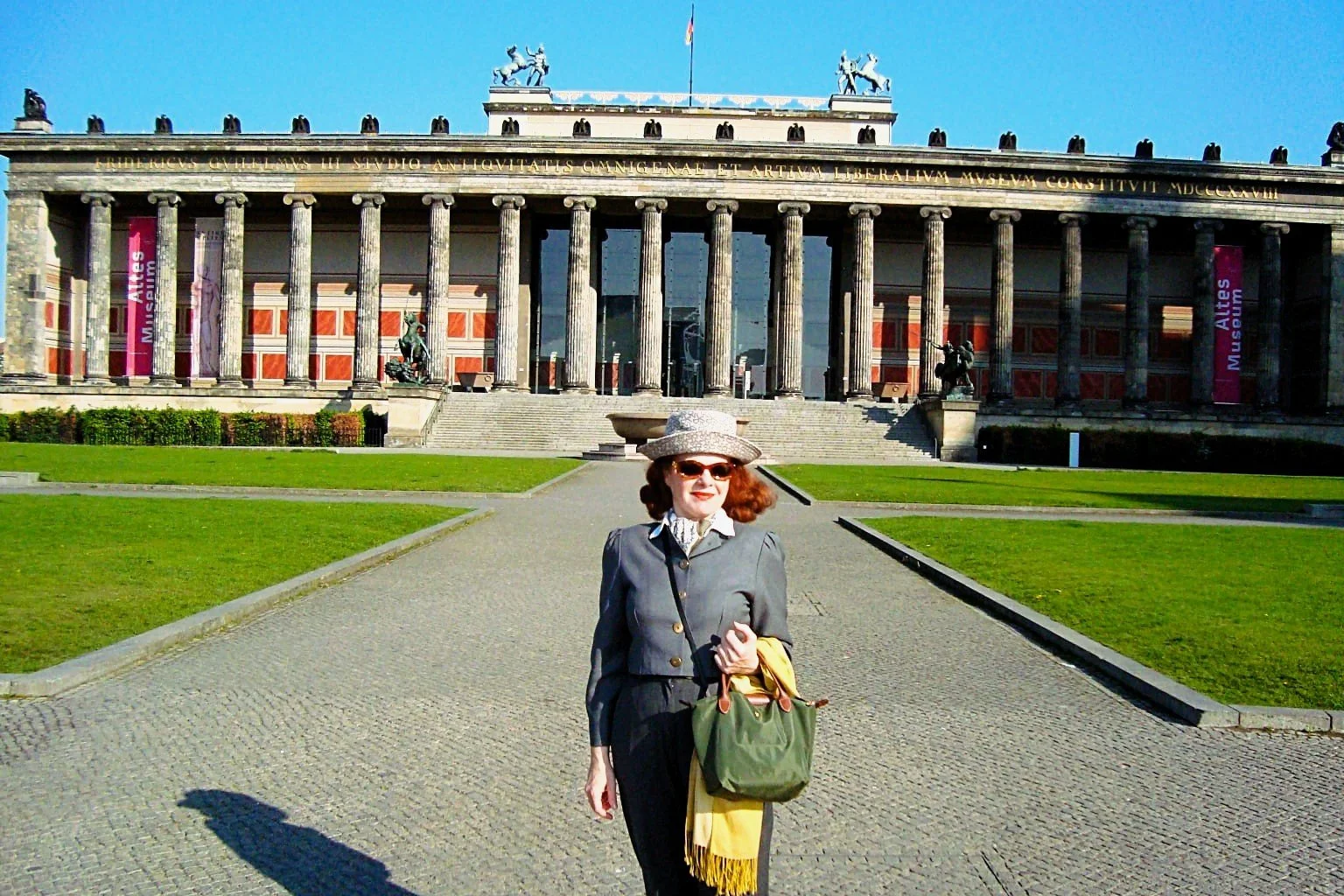
The author before the Altes Museum, Berlin.
In the years since reunification, however, the transformation has been remarkable. The restored buildings now gleam with renewed vitality, and the district reveals a splendour once obscured. Walking alone, I savoured each moment: the dignified architecture along Unter den Linden, the cultural serenity of Museum Island, and the harmonious setting of Konzerthaus Square — an ideal place to pause and absorb the striking beauty that unfolds in every direction.
Cultural journeys captured in words.
Discover my Books in English Books in Italian Books in Greek
Related Article
The Acropolis of Athens: Between Glory and Destruction
From the splendour of ancient Athens to the Ottoman era and the devastating bombardment of the Parthenon by Morosini in 1687.
Read the Story